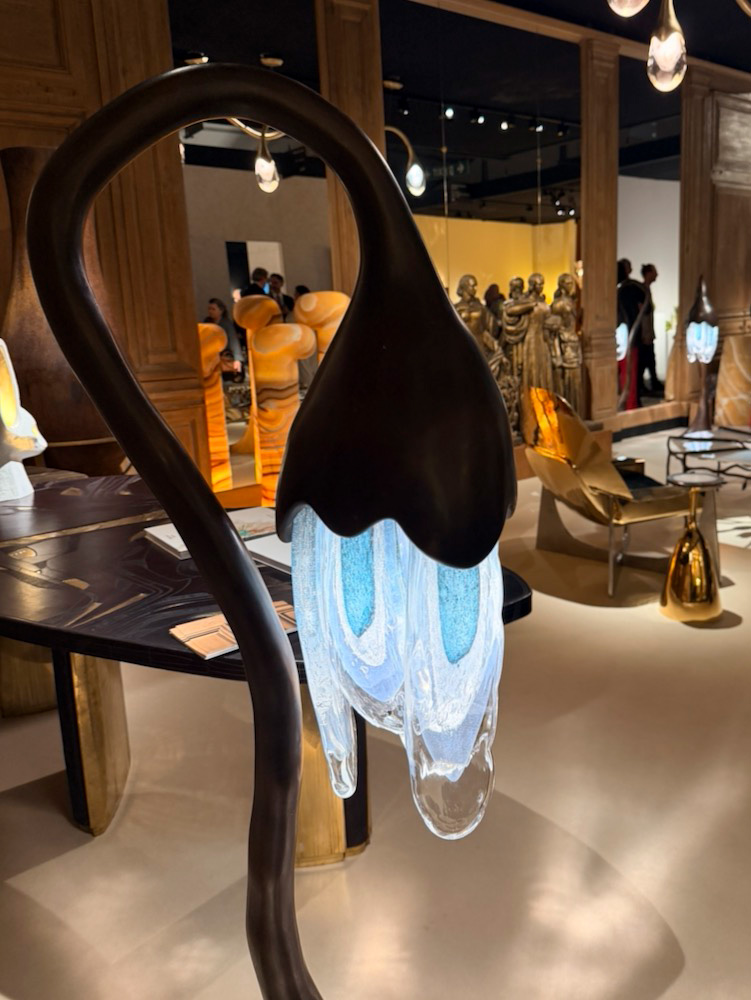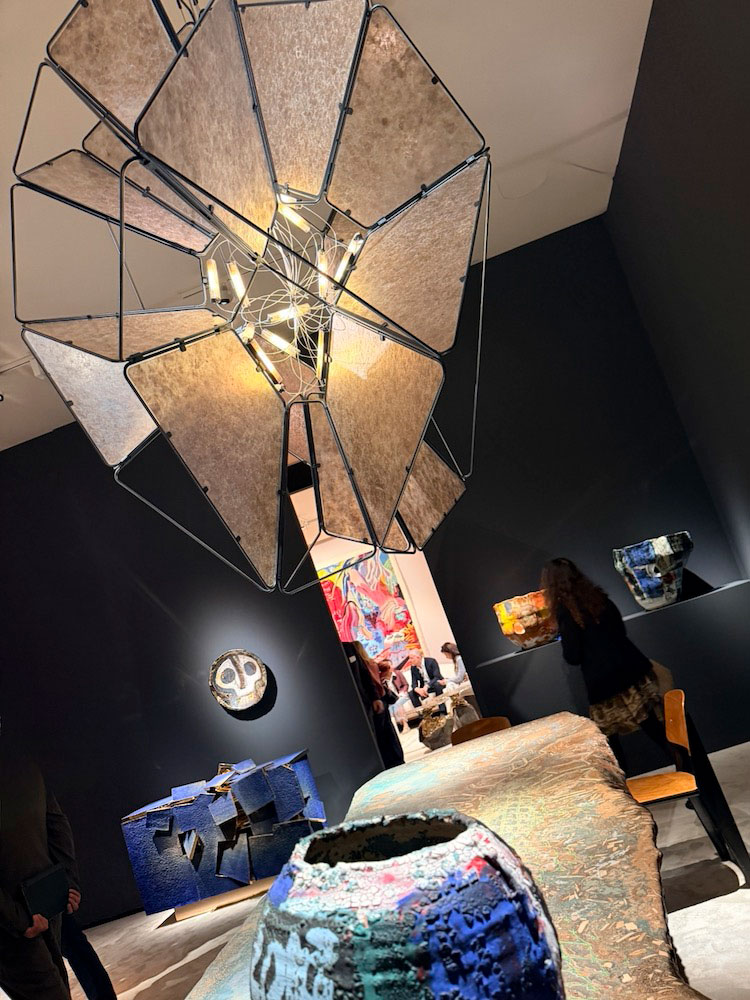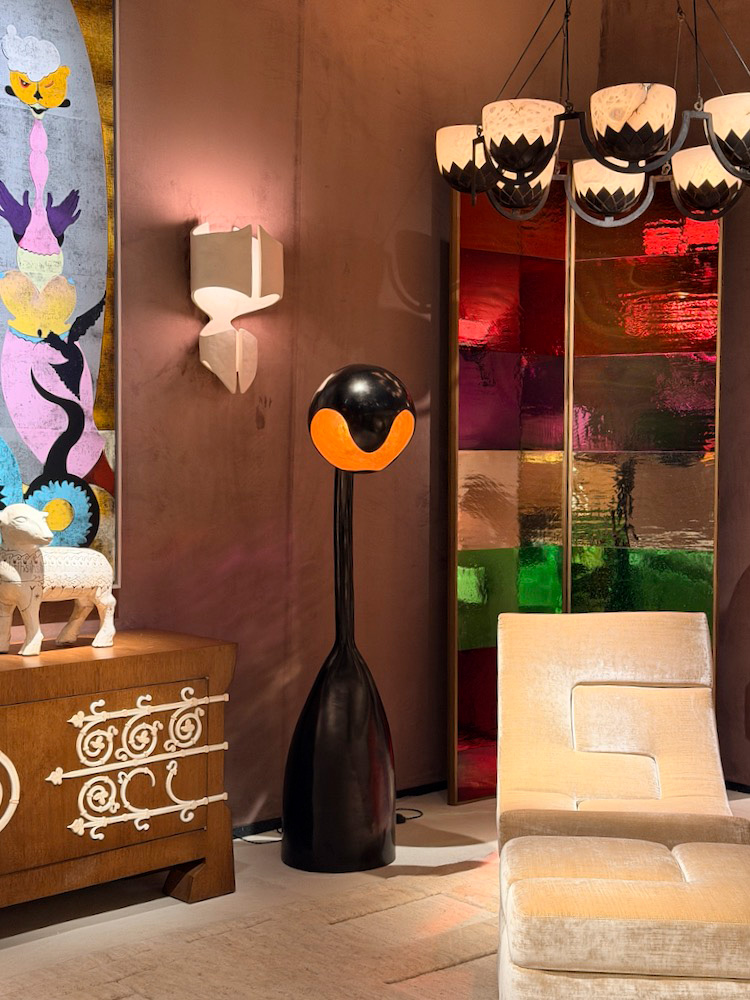
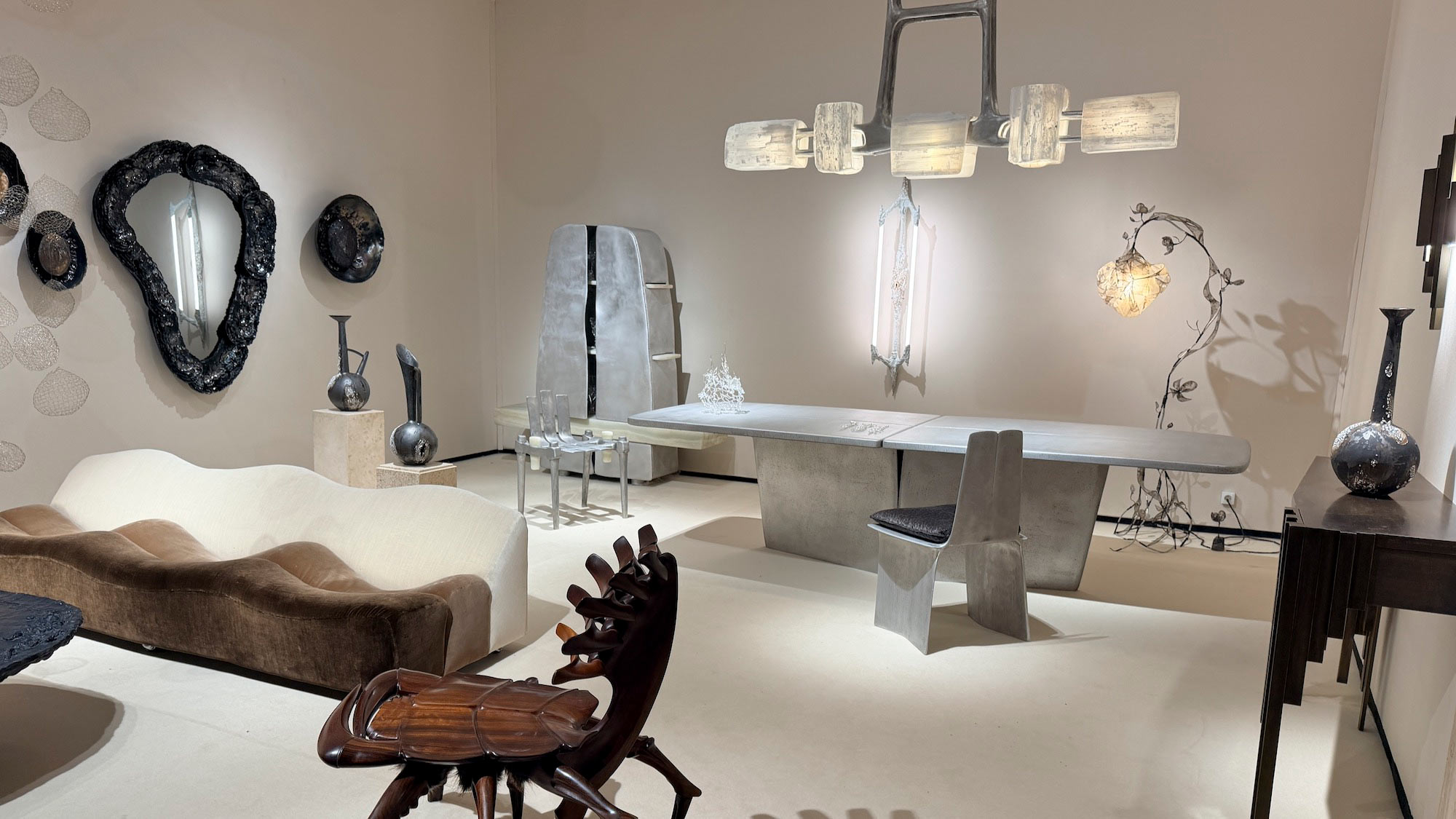

There are design fairs that showcase the latest names and trends, and then there is PAD; a fair with a refreshingly different perspective on collecting.
Returning in 2026, PAD brings together international galleries specialising in 20th-century design, decorative arts and collectible objects. Its appeal lies not only in the individual offerings, but in the relationships that emerge between them.
Part art fair, part collector’s cabinet, PAD occupies a space between art, design and interiors. Here, the familiar are displayed in unexpected contexts and established names share the space with emerging talent.
PAD’s distinctiveness lies in its approach to juxtaposition. Rather than confining design to a single period or aesthetic, the fair brings different eras, materials and disciplines into conversation. A sculptural piece of 20th-century furniture might sit alongside an everyday item, while a one-of-the-kind decorative object draws attention away from more celebrated work. The visitors are invited to look past labels, examine an object’s origins together with its form, character and place within a wider visual landscape.
PAD attracts collectors and design lovers interested in well-known designers and the practices shaping contemporary collecting. This balance is central to the fair’s appeal. Knowledge of design history adds depth, but specialist expertise is not required. A connection may be intellectual or simply an intuitive response to a particular form, material or detail.
For seasoned collectors, PAD offers treasure trove of exceptional pieces and direct engagement with the galleries presenting them. For those who are less experienced, it offers a personal education in collecting.
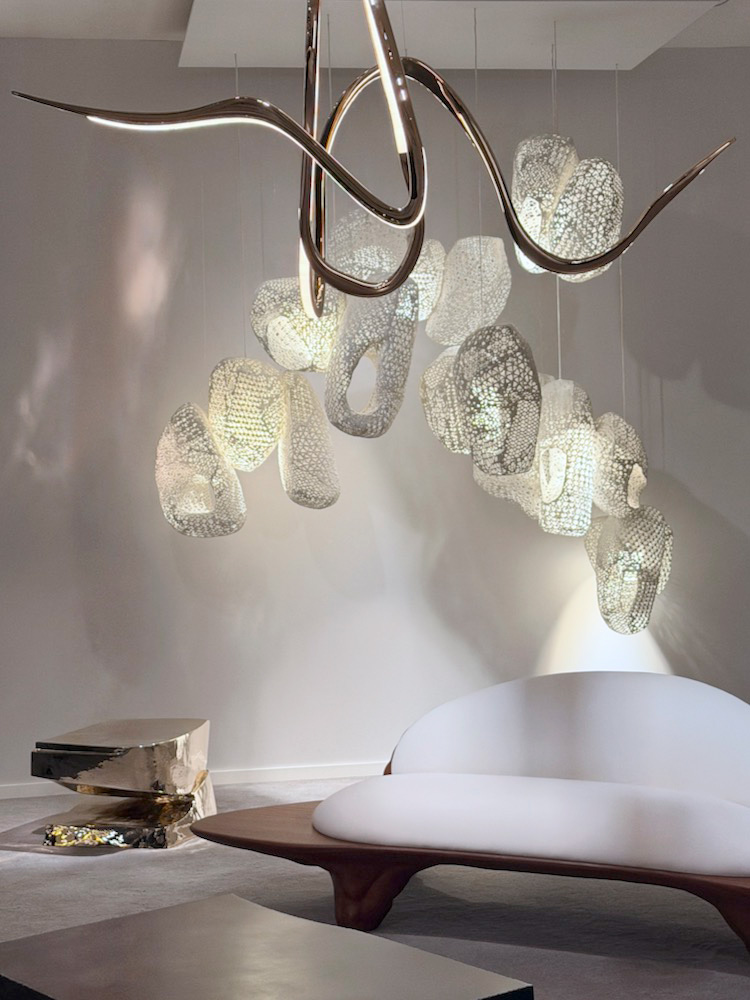
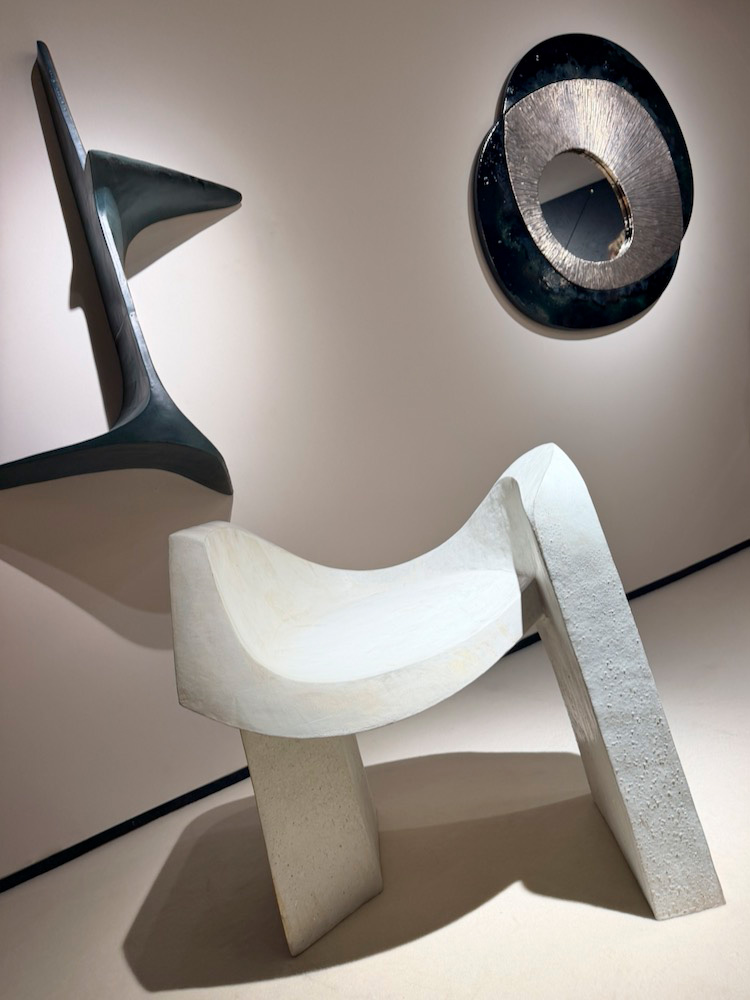
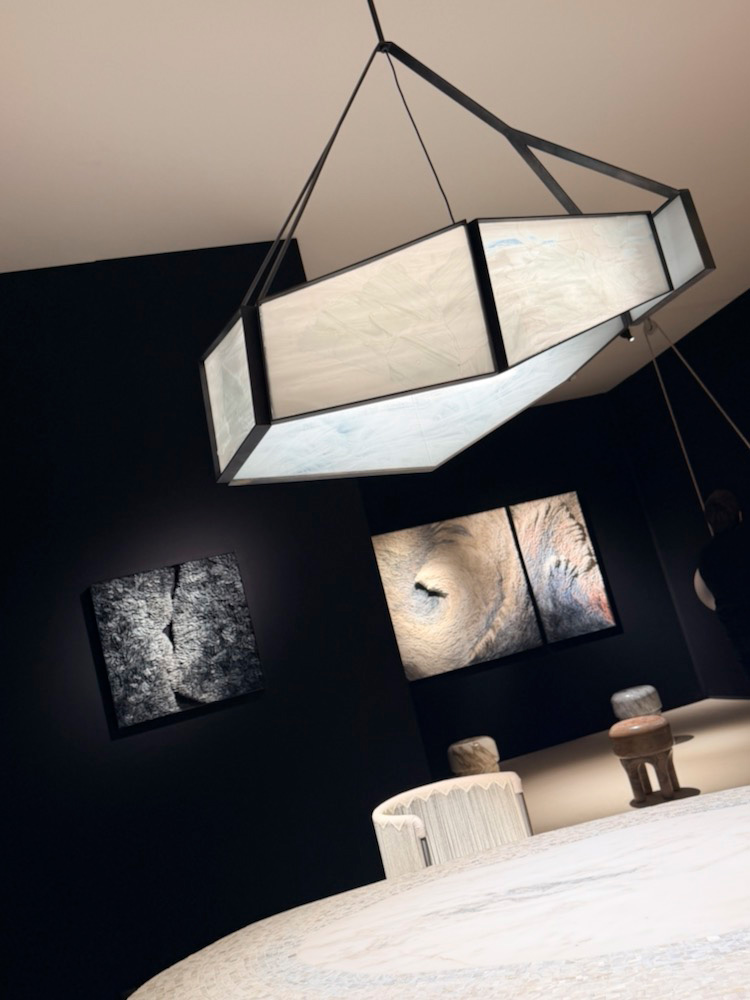
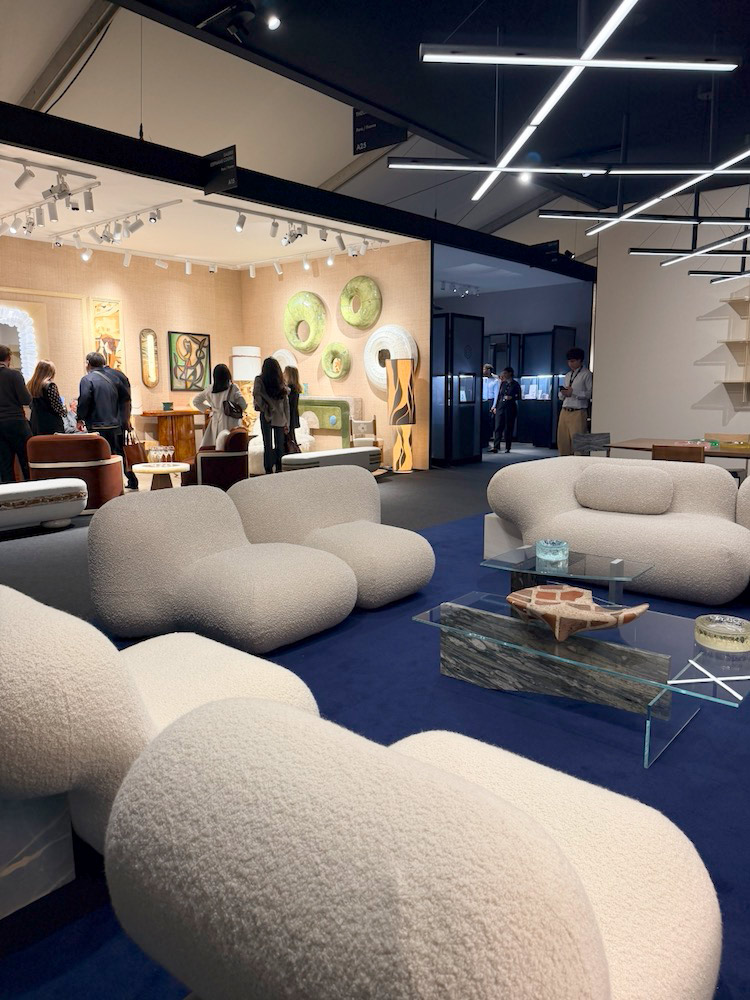
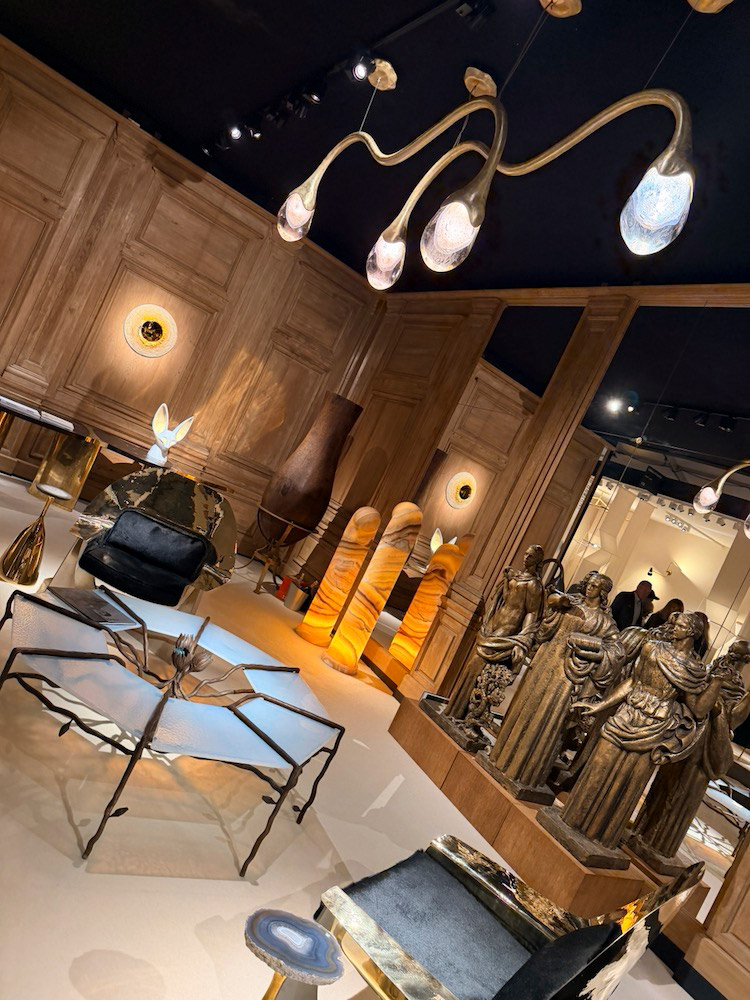
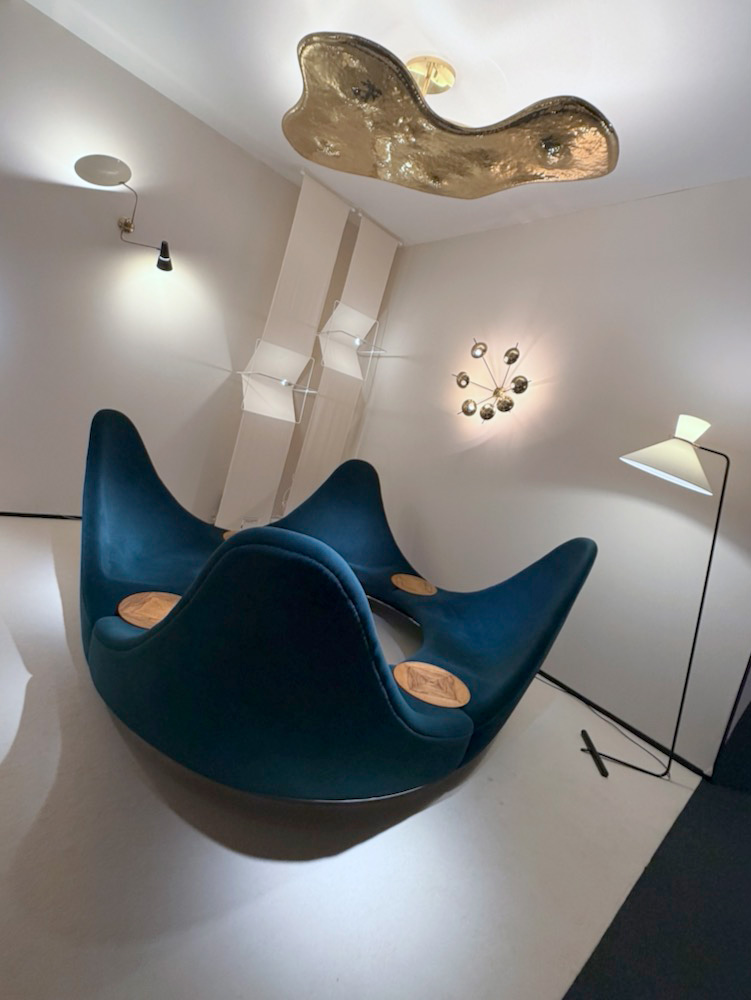
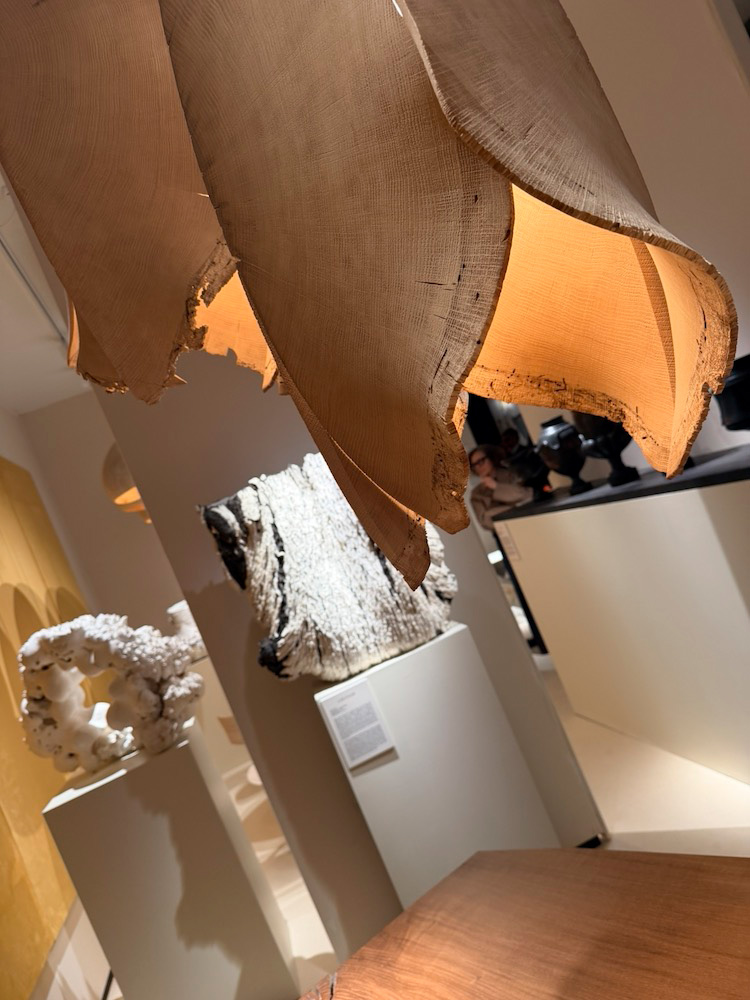
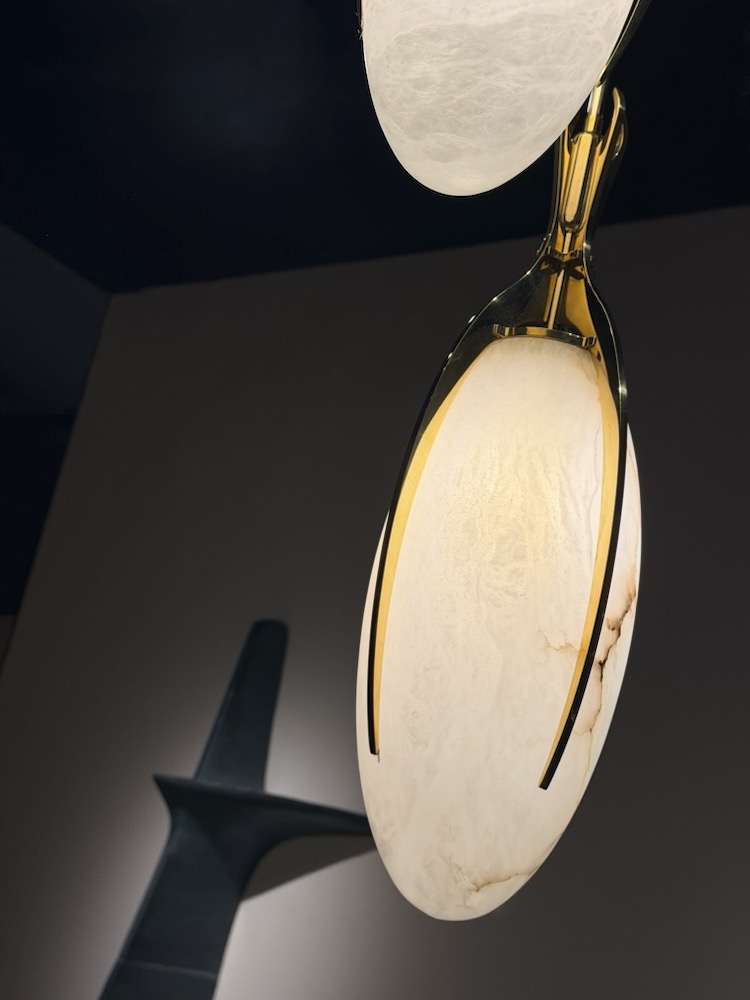
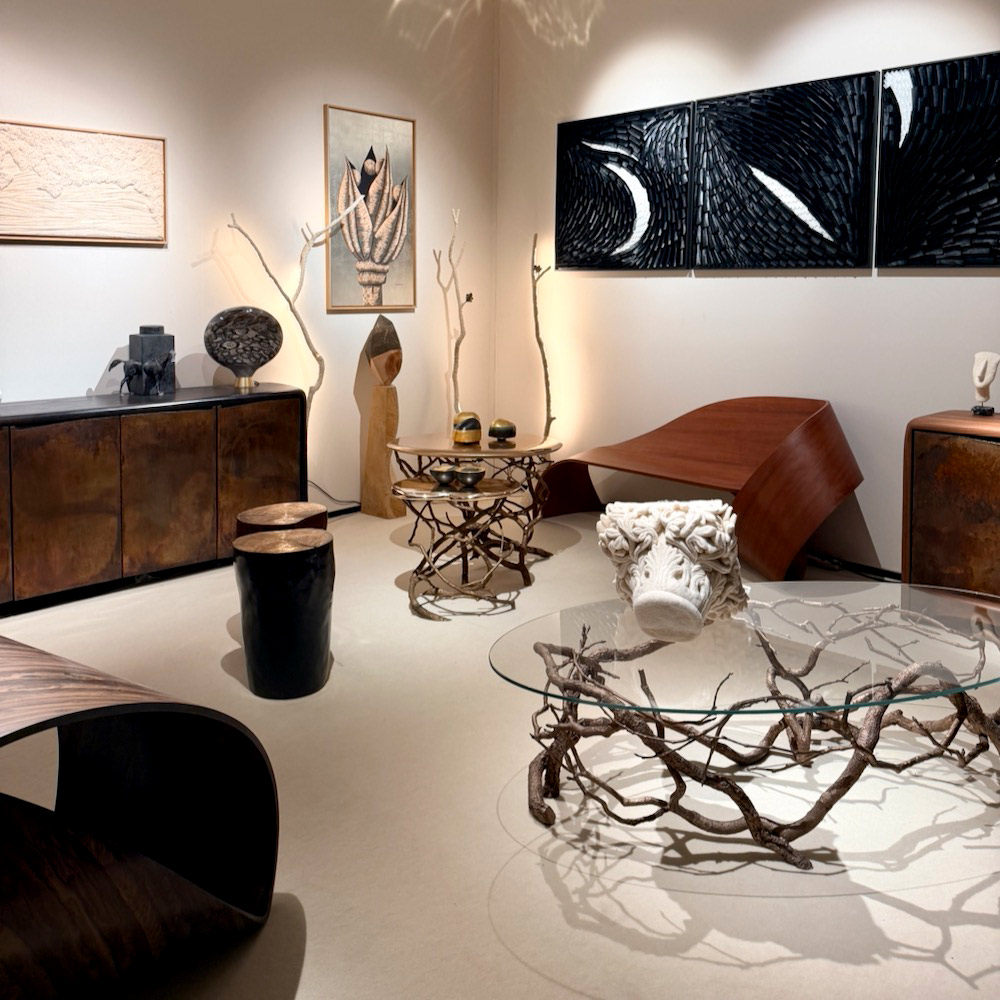
PAD extends beyond furniture to ceramics, lighting, jewellery, works of art and other collectible objects. This breadth gives the fair its character and it also reflects how many collectors build their collections, blurring the boundaries between collecting, art appreciation and personal space.
In a market where trends move quickly and familiar names dominate; PAD’s presents the opportunity to encounter work that reflects individual taste rather than a prescribed aesthetic.
Collecting is as much about instinct as acquisition. Provenance, rarity and authorship matter, but so does the less tangible quality that makes a piece compelling: the tension between its materials, the ingenuity of construction or the way it challenges expectations. The pleasure lies as much in looking as in finding something to take home.
Three themes stood out this year:
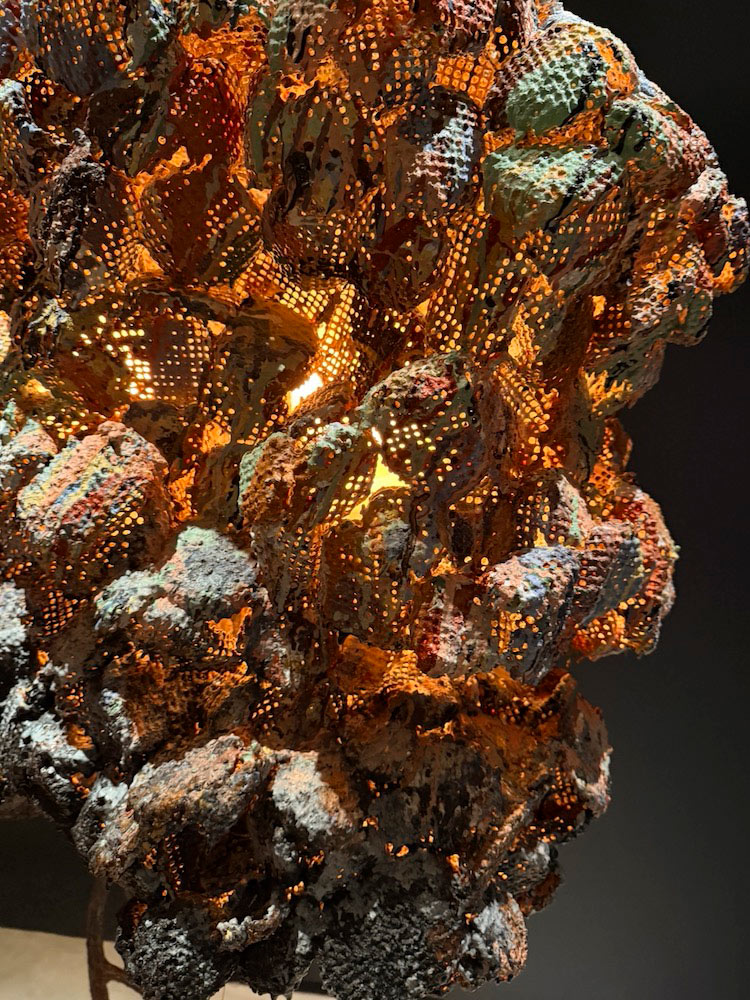
Materials with a past: reclaimed aluminium, old heating tanks, charred timber and repurposed materials were transformed into highly individual works.
The boundary between art and design: Misha Kahn’s tapestry, Adam Pendleton’s onyx table and Kobina Adusah’s bronze vessel show how collectible objects can operate as artworks in their own right.
The dialogue between eras: alongside experimental contemporary work, the fair offered important 20th-century pieces. A Pierre Jeanneret Chandigarh console sold through Paris gallery Laffanour on the opening day, according to The Art Newspaper.
PAD London is ultimately about recognising what makes an object worth having and the chance to look closely, make unexpected connections and leave with a different perspective on the things we choose to live with.