

PAD London 2025: Design’s Global Conversation Gathers in Mayfair
Every October, Berkeley Square transforms into a sanctuary of design excellence, and 2025 was no exception. The 17th edition of PAD London, which ran from 14–19 October, once again proved why it remains the UK’s leading fair devoted entirely to historical and contemporary collectible design. Sixty-seven galleries from twenty countries converged in Mayfair, with eleven newcomers joining the roster; a sign of how the fair continues to expand its reach and relevance.
What made this year stand out
What made this year’s edition stand out was its growing international scope and the fresh perspectives it brought to London’s design scene. For the first time, galleries from the Middle East and Cyprus took part. These included Beirut’s PIK’D, with its refined ceramics and glass, and NM Art & Design, a Cypriot-London gallery exploring tactile, material-rich contemporary work. Their presence marked a subtle but significant shift. PAD is no longer the preserve of Europe’s established elite but a truly global conversation about craft, culture, and form.
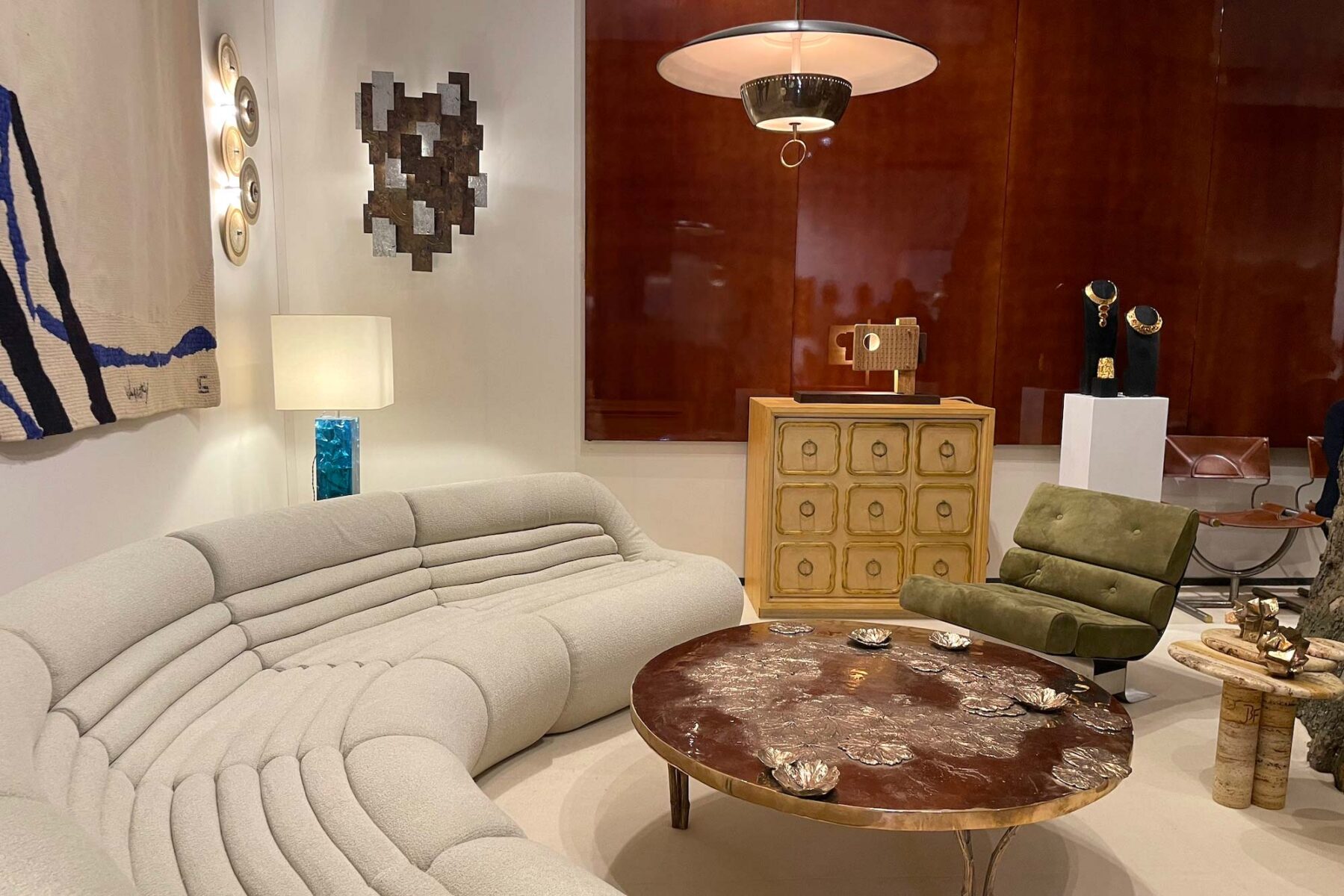
Across the fair, exhibitors played with the dialogue between past and present. Many stands juxtaposed modern pieces with design classics. We loved Gio Ponti chair placed next to a newly minted marble table, or a 1950s lamp sharing space with a digital-age sculpture. PAD’s charm lies in this friction. It’s where history meets reinvention, where the patina of heritage amplifies the freshness of new ideas.
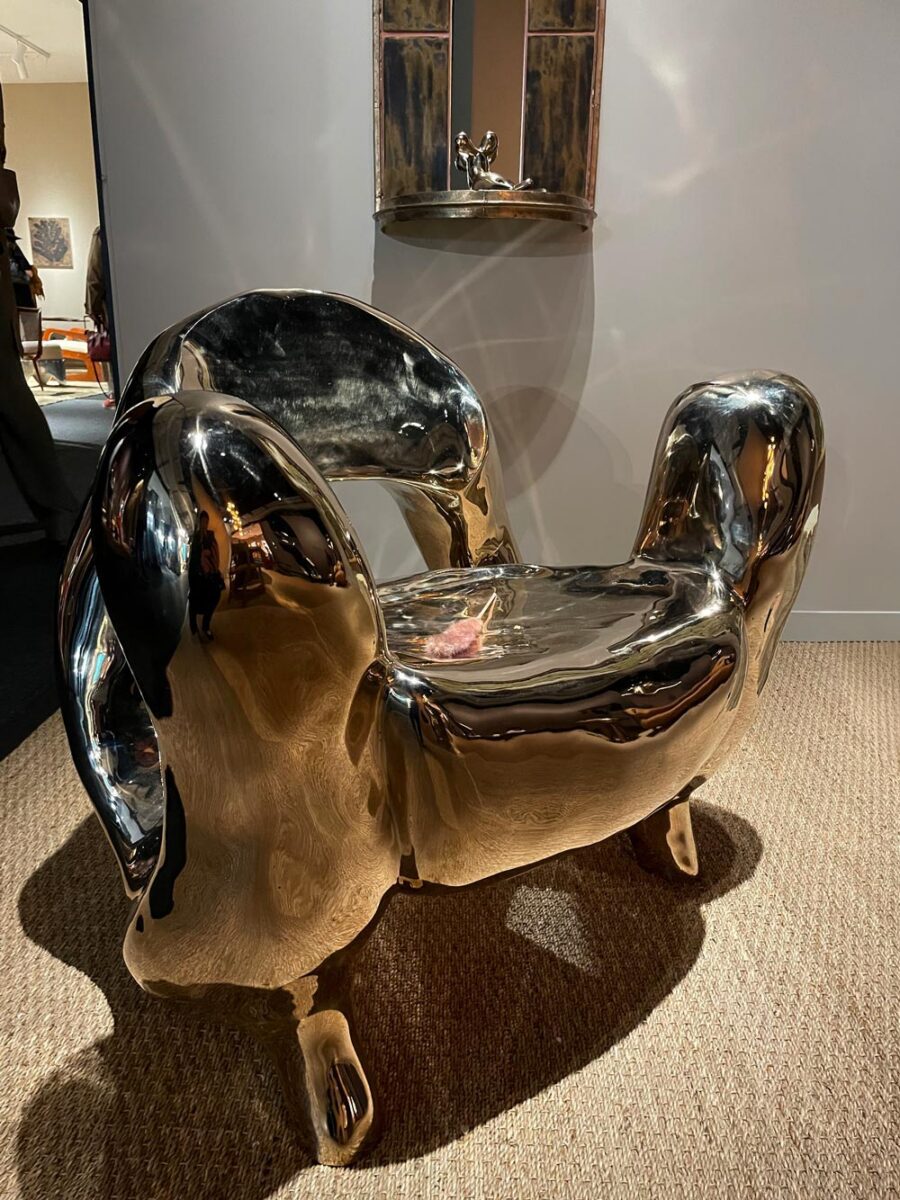
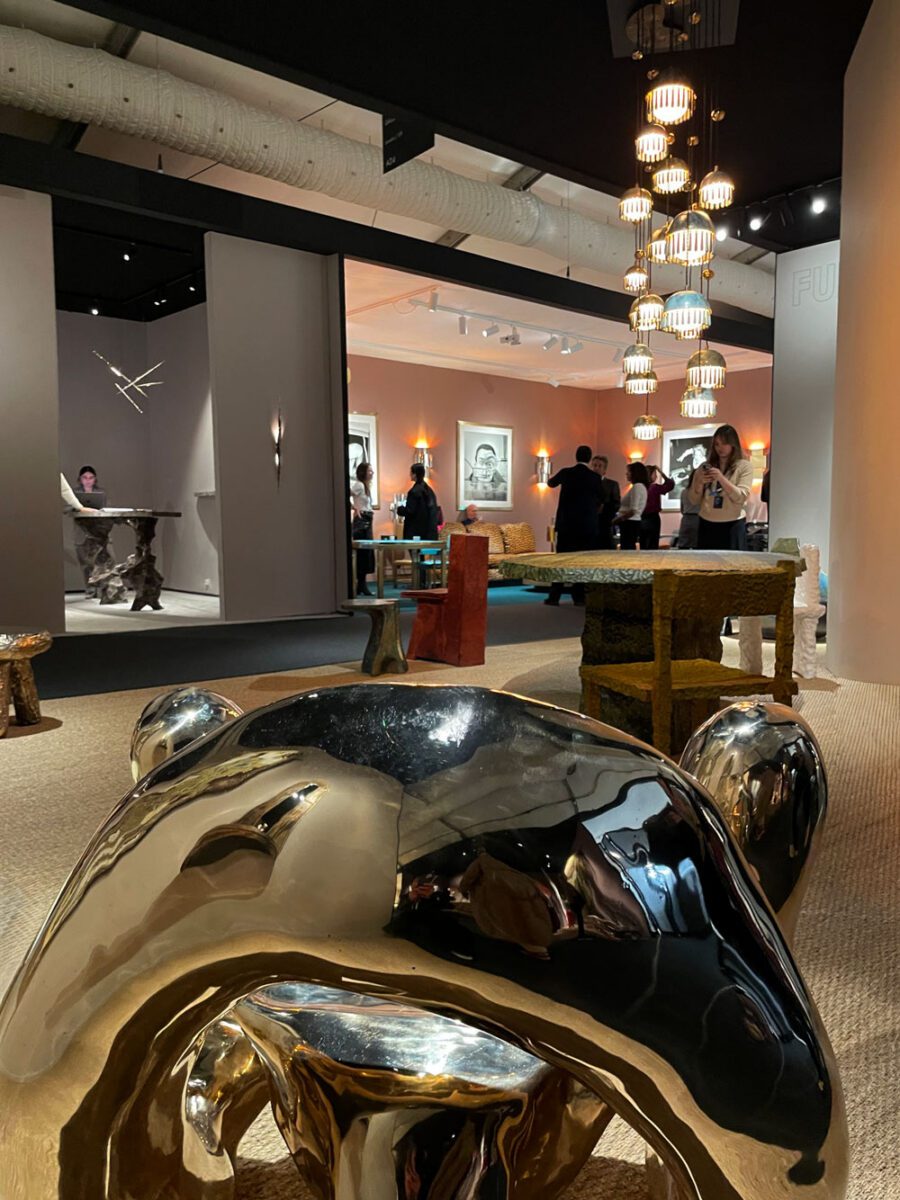
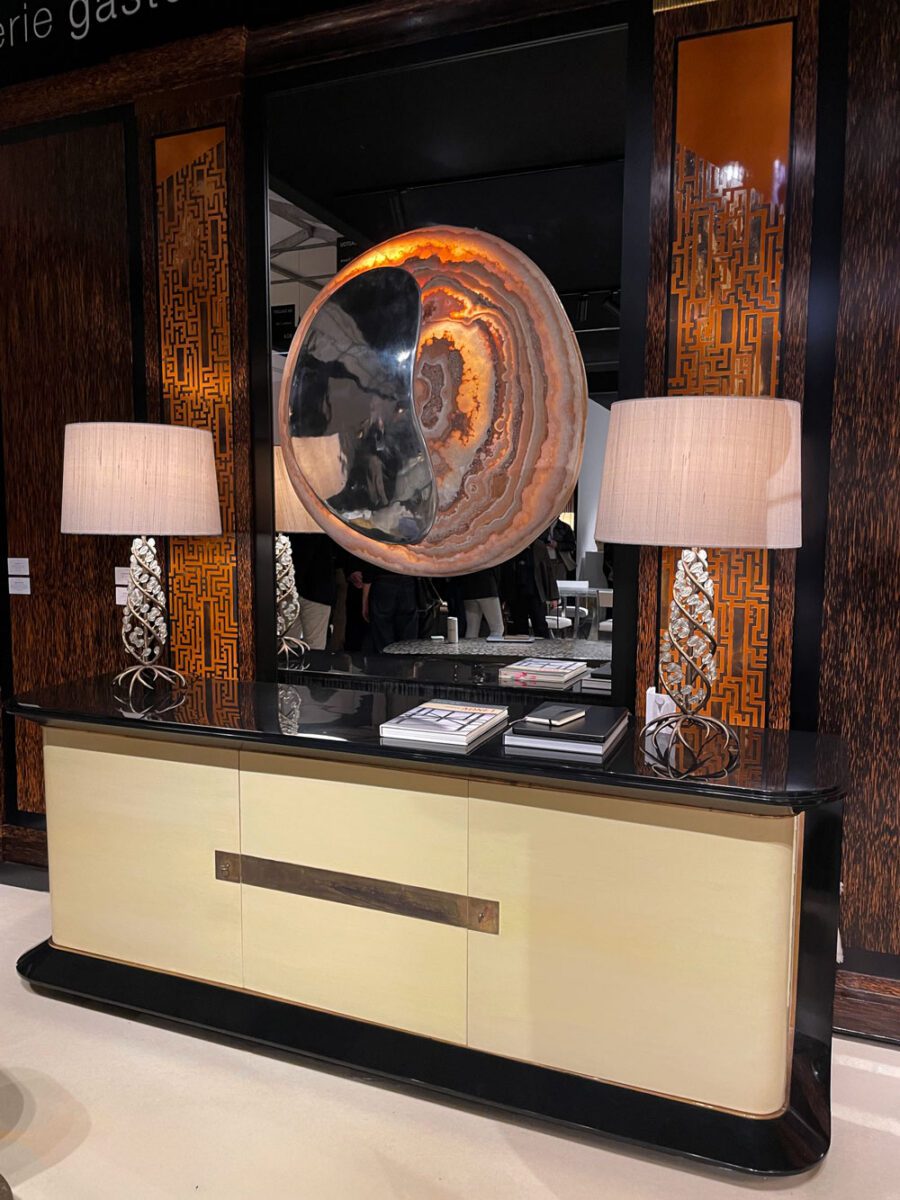
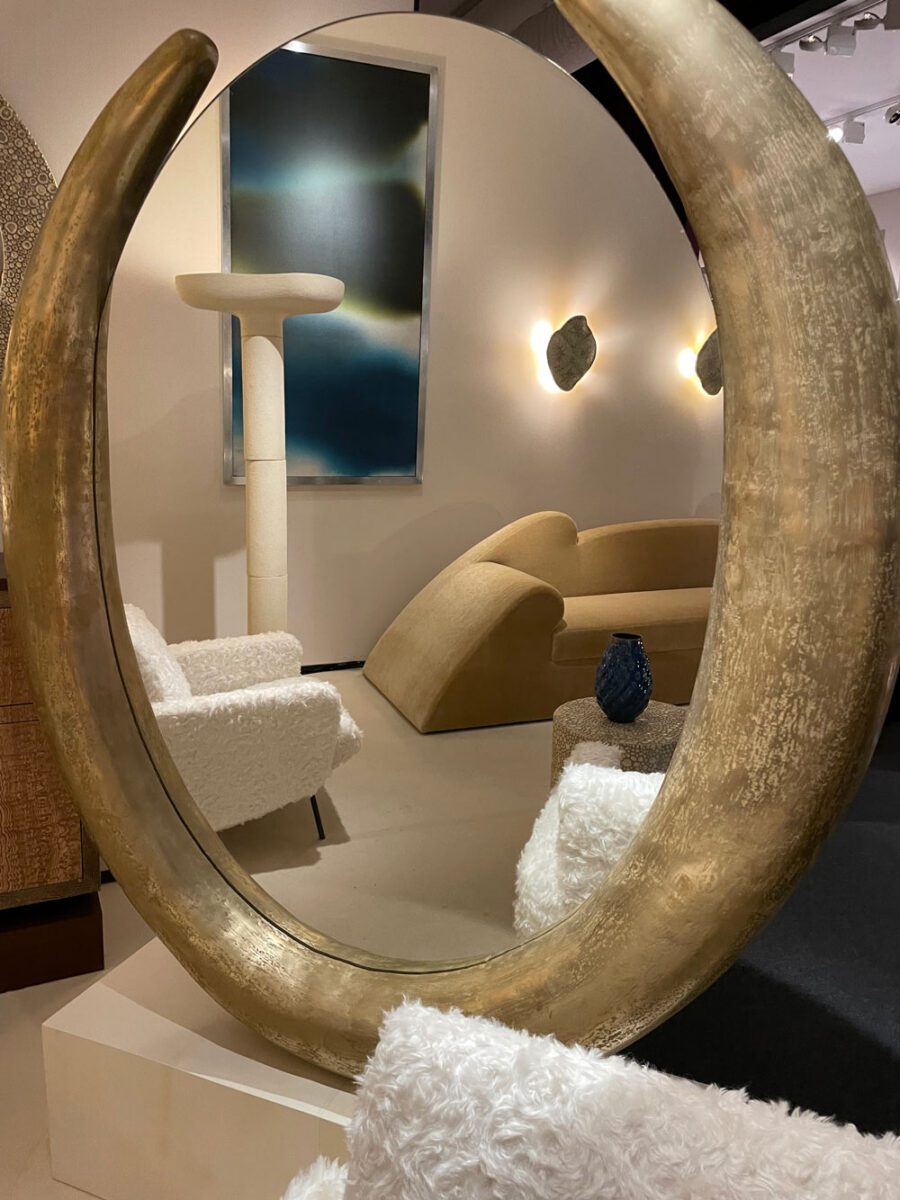
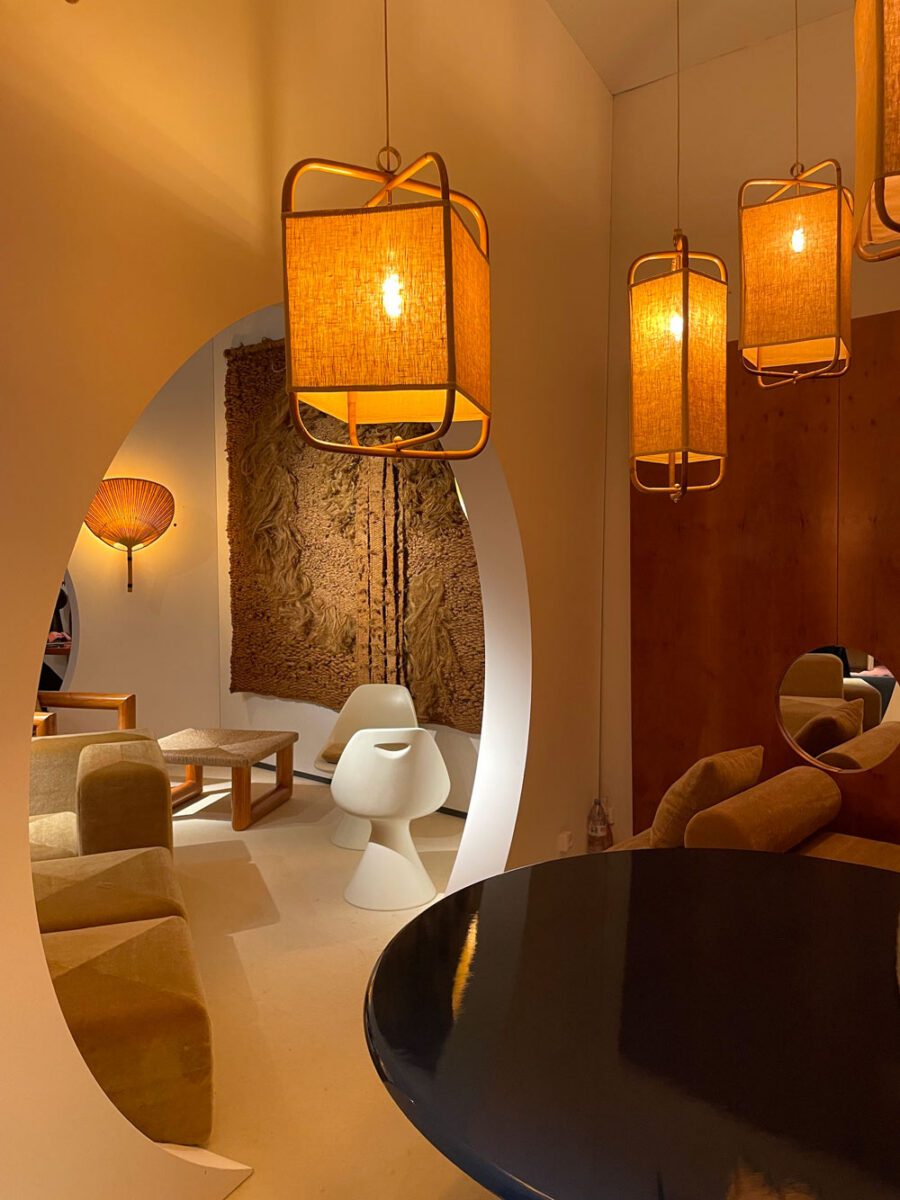
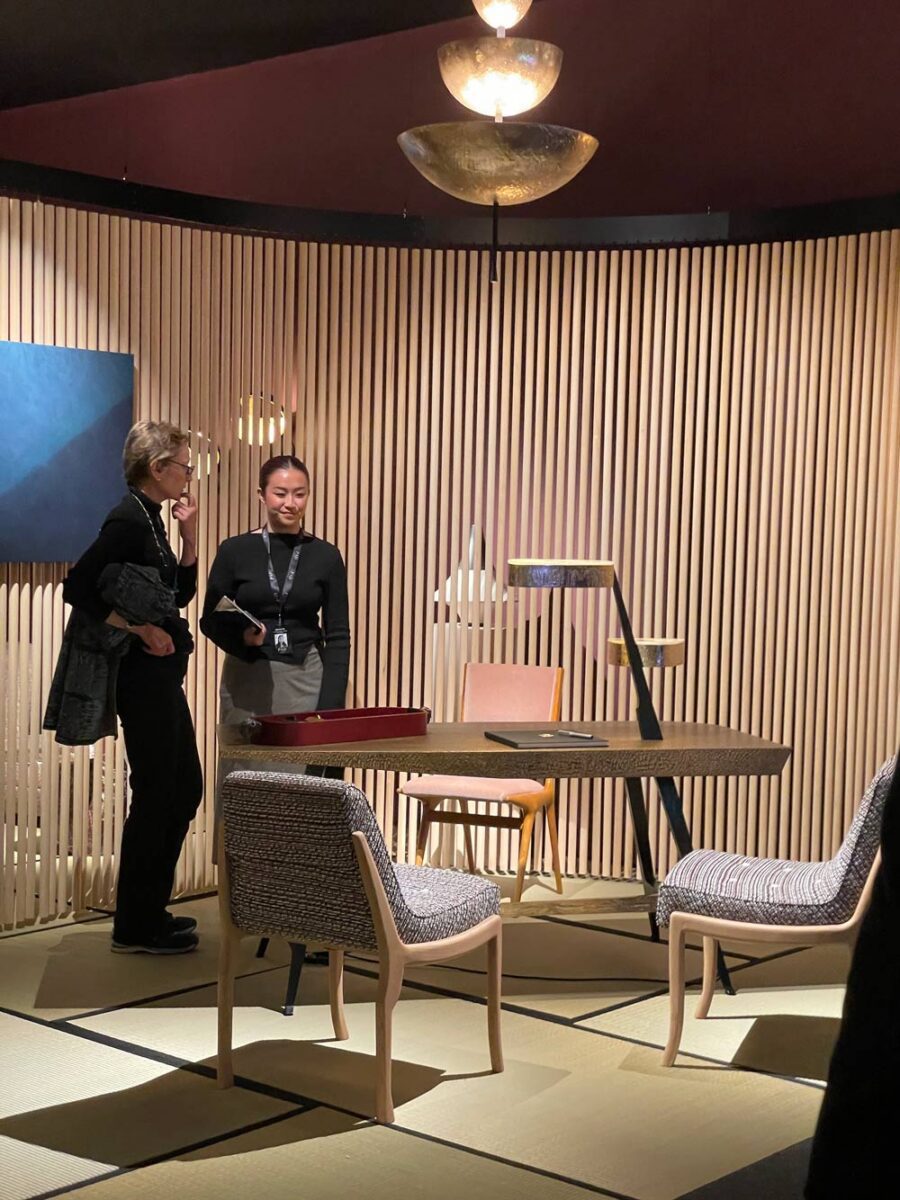
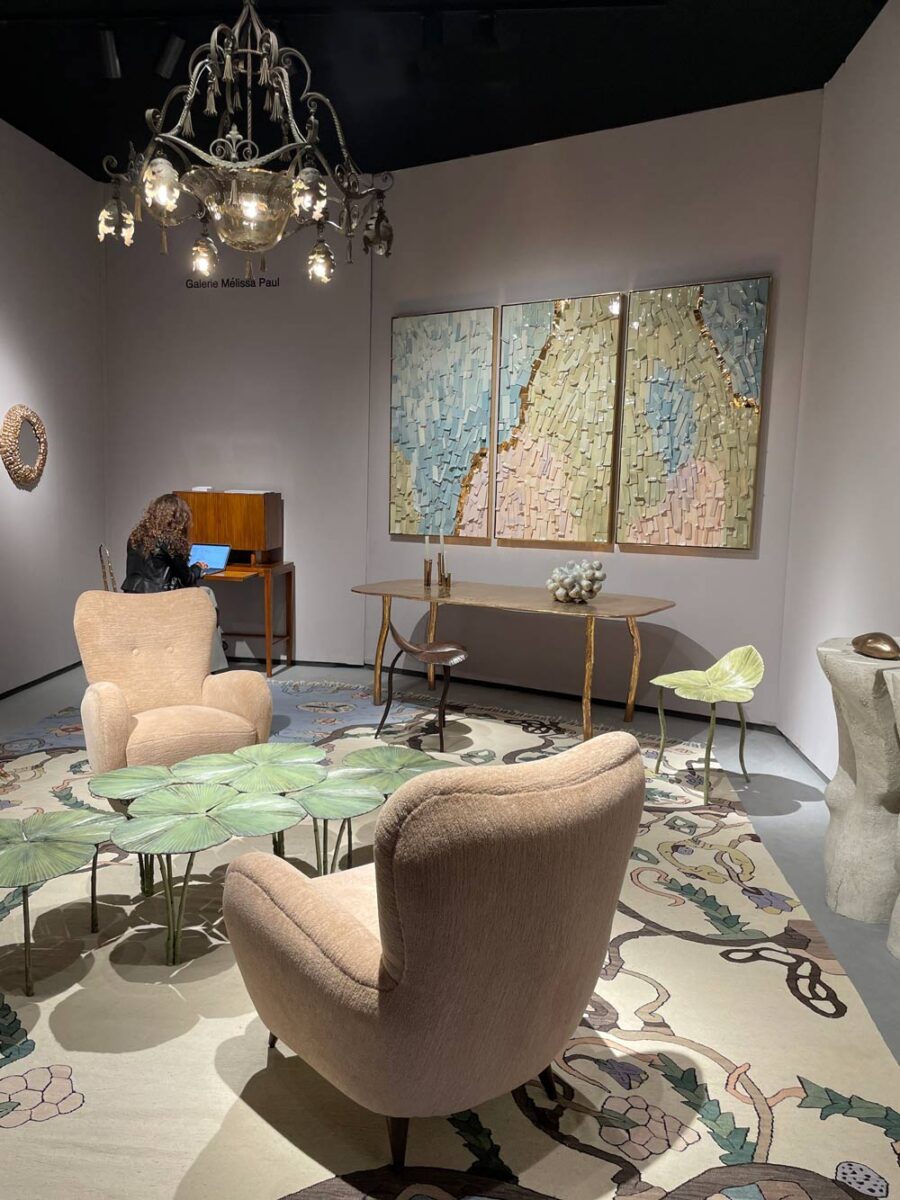
Why you might care / what to look for
Among the standout installations, Faye Toogood’s “The Magpie’s Nest” at Friedman Benda captured visitors’ imaginations. A meditation on collecting, memory, and curiosity, it turned found materials into poetic design objects and earned Toogood the Contemporary Design Prize.
Elsewhere, Carpenters Workshop Gallery celebrated the work of 15 female designers who blur the boundaries between sculpture, furniture, and jewellery; a booth that felt more like a manifesto than a showroom.
Materiality was another defining theme. Galerie Mélissa Paul offered a serene palette of bronzes and pastels, while 88 Gallery presented Timothy Schreiber’s Metamorphosis Console, a striking marble-and-bronze piece that balanced structure and sensuality, art and utility.
PAD’s audience has evolved alongside its exhibitors. Collectors, museum curators, and interior specialists come not just to browse but to acquire meaningful, long-term pieces. The conversations unfolding at PAD are no longer about what’s “new” versus what’s “old,” but about how heritage and innovation coexist. How design can be both functional and philosophical.
In a design world often preoccupied with technology and trends, PAD London 2025 felt grounded. It championed craftsmanship, storytelling, and the physicality of objects; furniture as sculpture, design as cultural expression. With its expanding global presence, renewed attention to material experimentation, and thoughtful curatorial voice, PAD reaffirmed its place as the fair where art, history, and design intersect. And always beautifully, intelligently, and with quiet confidence.