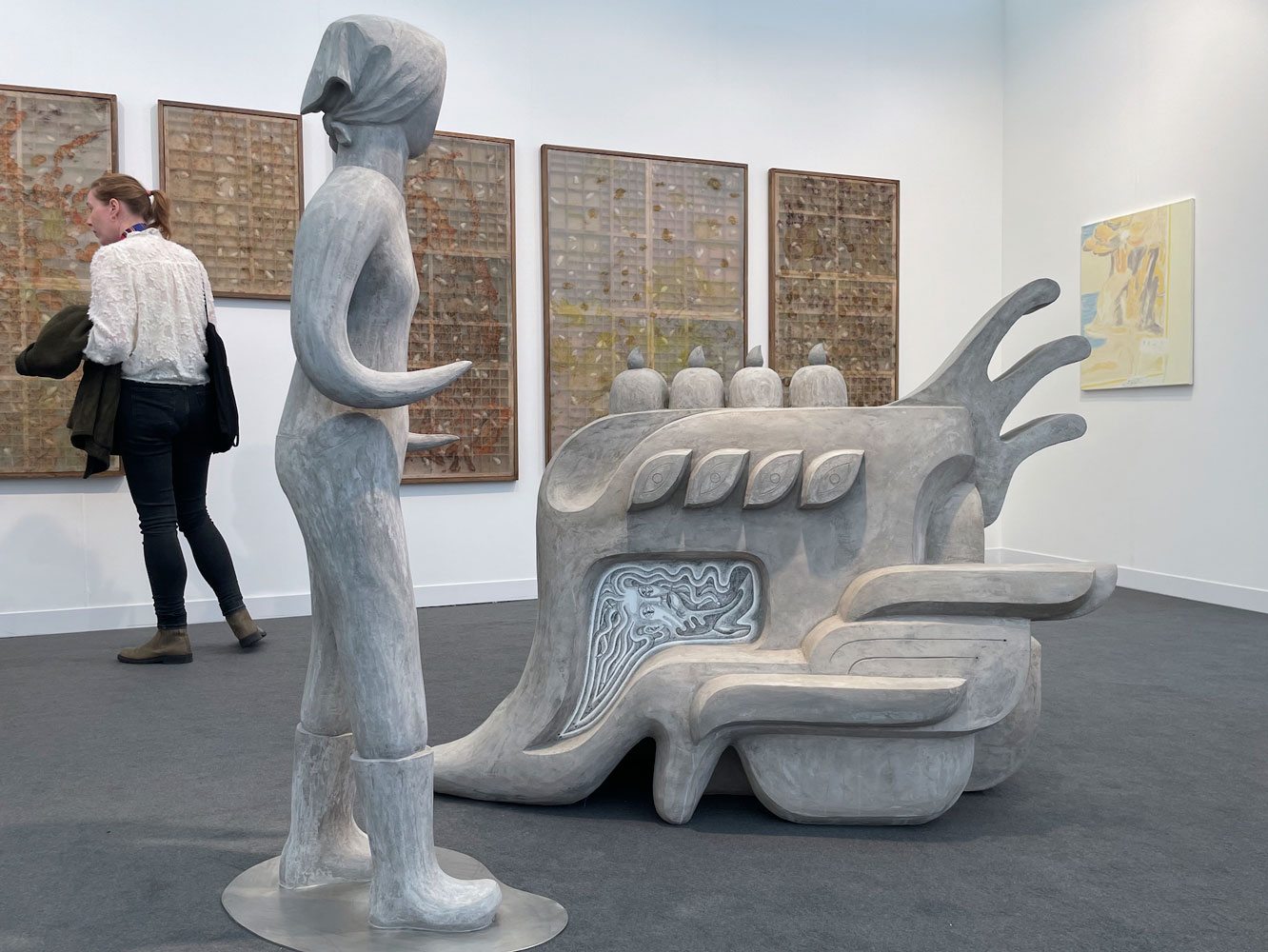


From ancient objects to kinetic experiments and monumental installations, Frieze London and Frieze Masters revealed a growing appetite for art that occupies physical space. But in an age of spectacle, where does visual impact end and meaning begin?
London during Frieze Week has always been a meeting place for competing ideas. In 2025, that sense of collision was particularly vivid. Frieze London and Frieze Masters brought together more than 280 galleries, while the contemporary fair alone represented galleries from 43 countries. Ancient objects, Modernist experiments, conceptual works and newly made installations found themselves temporarily sharing the same cultural territory in Regent’s Park.
For sculpture, this environment proved especially fertile.
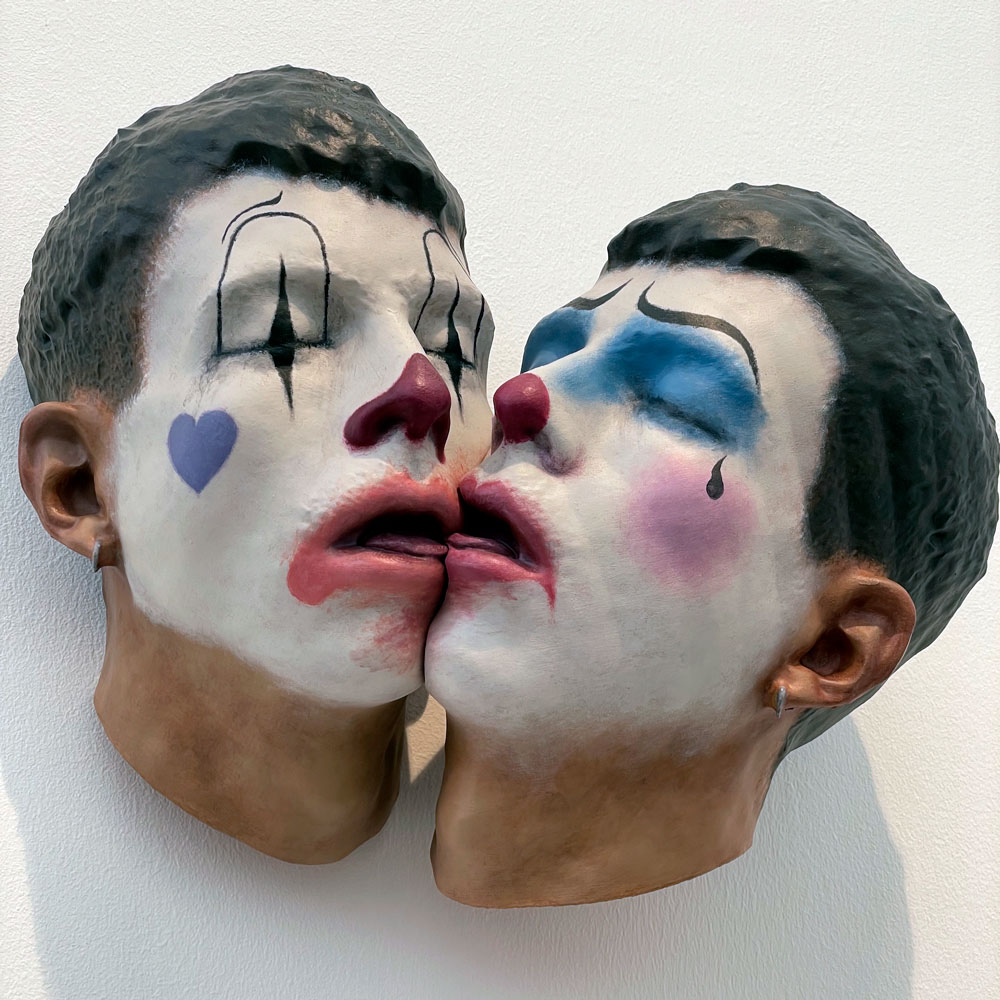
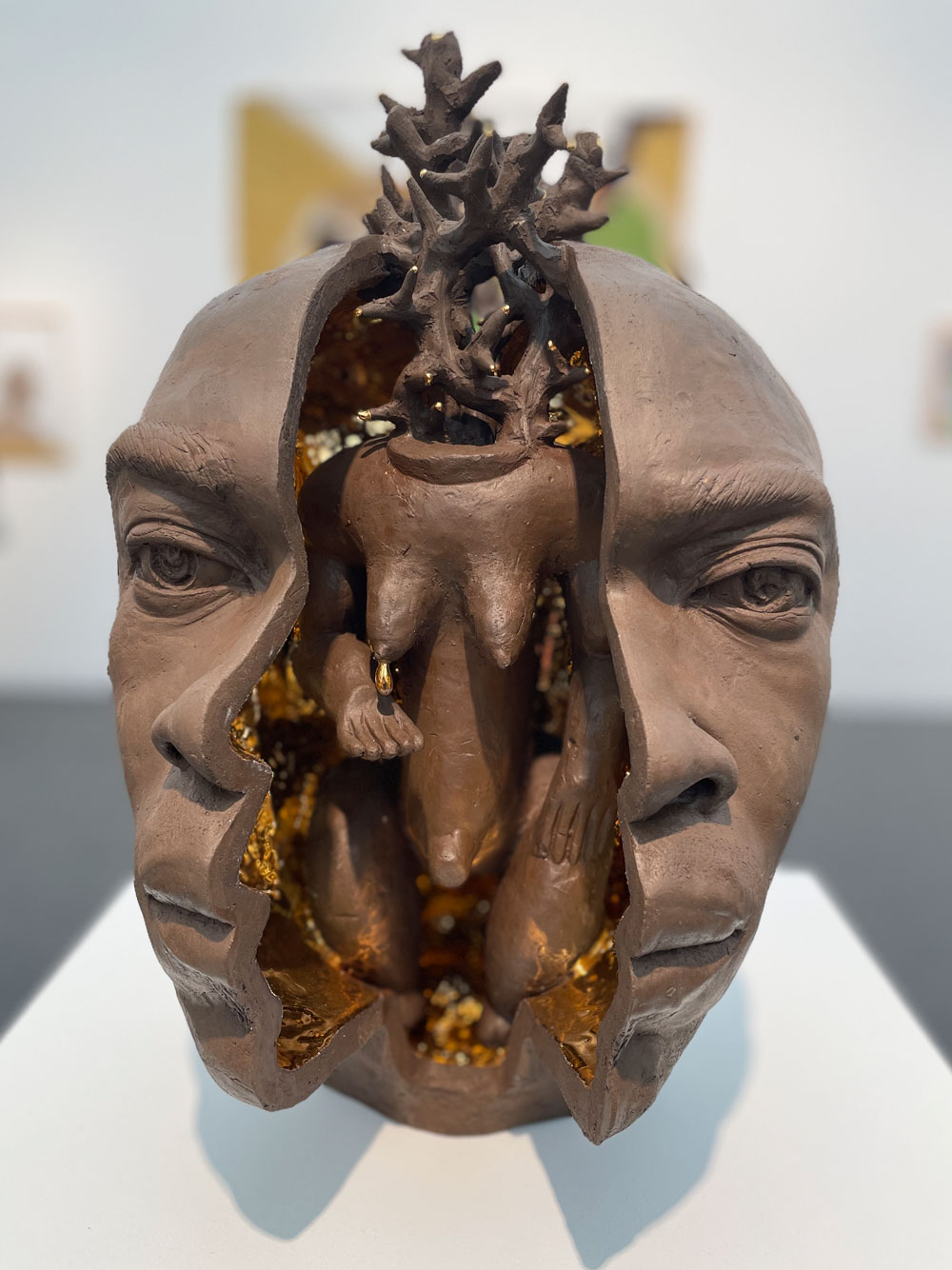
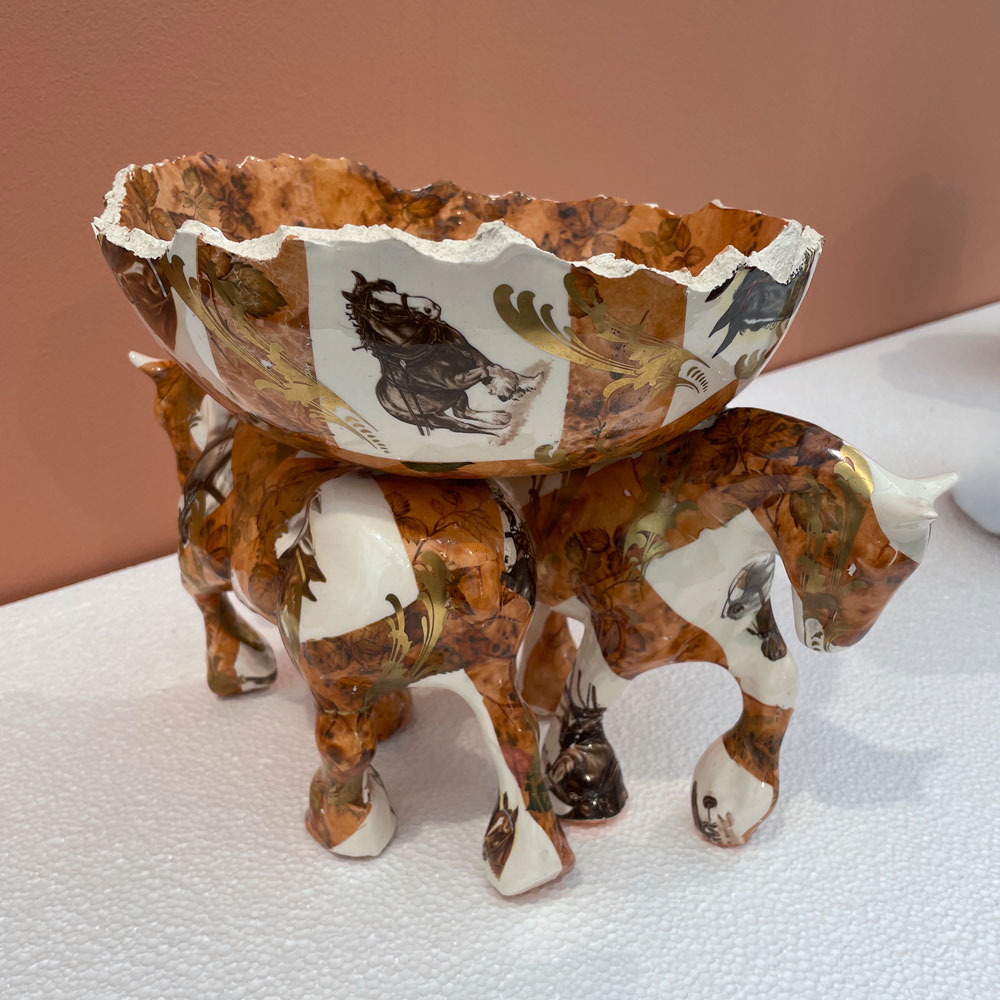
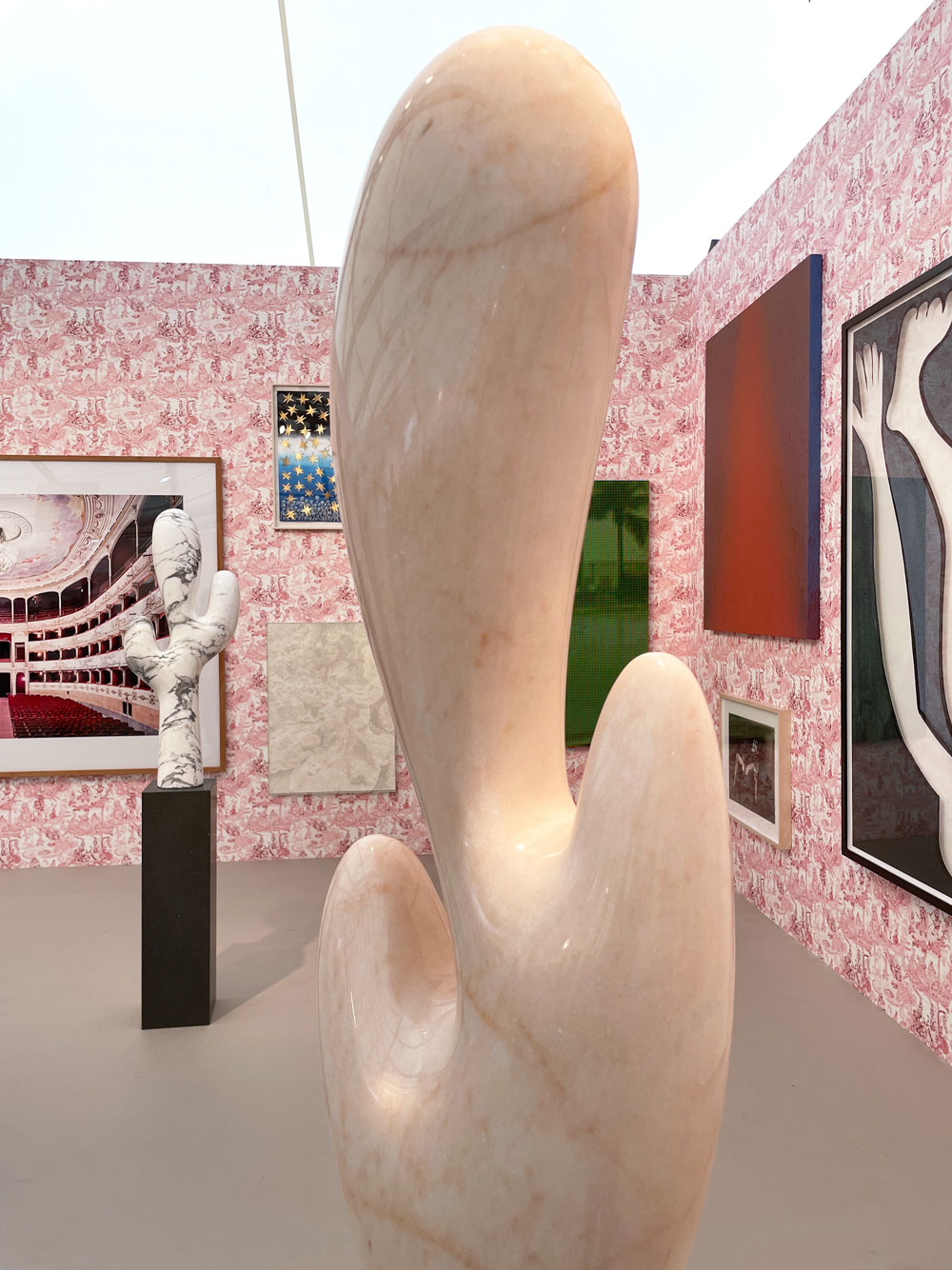
Painting may remain the art market’s most familiar currency, but sculpture seemed unusually difficult to ignore at Frieze 2025. It appeared on walls and floors, outdoors and inside booths; in stoneware, porcelain, bronze, limestone, travertine and unexpected combinations of materials. Sometimes monumental, sometimes intimate, sculpture increasingly behaved less like a discrete object and more like an experience.
That shift raises an interesting question. Is sculpture becoming more attractive to collectors; or simply more visible? The old divisions; painting versus sculpture, decorative versus conceptual, ancient versus contemporary; look increasingly porous.
Sculpture that asks us to move. This may be one of the important directions emerging in contemporary sculpture: the movement is increasingly supplied by the spectator.
A painting generally establishes a frontal relationship. Sculpture refuses that certainty. It has another side. It changes as the viewer changes position. Installation pushes this further, turning spectators from observers into temporary inhabitants of the artwork.
That physical relationship feels particularly significant in an era when so much visual culture arrives through a flat illuminated screen. Perhaps sculpture’s renewed attraction lies partly here. It insists upon presence.
Scale matters. Material matters. Weight matters. A photograph of a sculpture may introduce an artwork, but it rarely reproduces the experience of encountering it. In this sense sculpture possesses something increasingly valuable: resistance to complete digital reproduction.
The unusual installation therefore has an advantage. It interrupts habitual looking. But interruption alone is not enough.
Spectacle or meaning? Contemporary art fairs create a peculiar pressure. Hundreds of galleries compete for attention within a limited amount of time. Collectors, curators, journalists and visitors move rapidly through an extraordinary concentration of objects.
In that environment, the temptation to produce the unforgettable image is considerable. The enormous object, the absurd object, the object hanging unexpectedly from a ceiling or apparently collapsing across a floor can stop traffic. It can travel immediately onto Instagram. It can become “the work everyone saw at Frieze.”
But there is a distinction between being noticeable and having something to say.
The most convincing sculpture at an art fair often works twice. First comes the physical encounter; the surprise of material, scale, balance or movement. Then comes the slower recognition that the form is carrying an idea. This is where spectacle becomes communication.
An unusual material or gigantic scale is not meaningful merely because it is unusual or gigantic. The question is whether the formal decision deepens the work. Does the material carry history? Does movement alter meaning? Does the location matter? Would the idea survive without the theatrical device?
When the answer is yes, installation can ignite ideas precisely because it refuses passive viewing. When the answer is no, spectacle risks becoming decoration with a conceptual label attached.
What collectors were actually buying? The commercial evidence from Frieze 2025 suggests that collectors were willing to buy sculpture, although it would be premature to declare a wholesale market shift away from painting.
Among reported transactions, Lisson Gallery sold a Ryan Gander sculpture for £85,000. At Frieze Masters, Lawrie Shabibi sold Mona Saudi’s Mother/Earth (1981) to a major Asian museum for $280,000, alongside a Jordanian limestone sculpture for $168,000 and an Iranian travertine work for $70,000. Hauser & Wirth sold Alina Szapocznikow’s Sculpture-lampe (1970) for $1.2 million.
Outside the tents, Jaune Quick-to-See Smith’s monumental bronze Trade Canoe: King of the Mountain was sold to a private collection by Stephen Friedman Gallery and Garth Greenan Gallery. Even porcelain found a strong buyer: Josh Lilley Gallery sold Rebecca Manson’s wall sculpture for $85,000 on the fair’s first day.
These examples matter because sculpture traditionally presents practical obstacles that paintings do not. It takes space. It can be heavy. Shipping, installation, storage and insurance can be complicated. Monumental work may require a garden, institutional building or architecturally suitable home.
Yet collectors were buying it.
The evidence does not prove that sculpture as a whole is overtaking painting in popularity. In fact, many of the largest reported transactions at Frieze remained paintings and established Modern works. What Frieze 2025 does suggest is something subtler: collectors are prepared to cross conventional categories when the work has quality, provenance, intellectual force or a sufficiently distinctive physical presence.
And collectors generally are becoming more selective. Artsy’s 2025 survey of more than 1,200 collectors found that 30% said economic and external conditions had made them more selective, while only 7% reported buying more. Seventy-two per cent said they were drawn to emerging artists.
That combination; greater selectivity alongside curiosity about emerging practice; helps explain the atmosphere at Frieze. The question is becoming less “What medium should I collect?” and more “Is this particular work worth living with?”
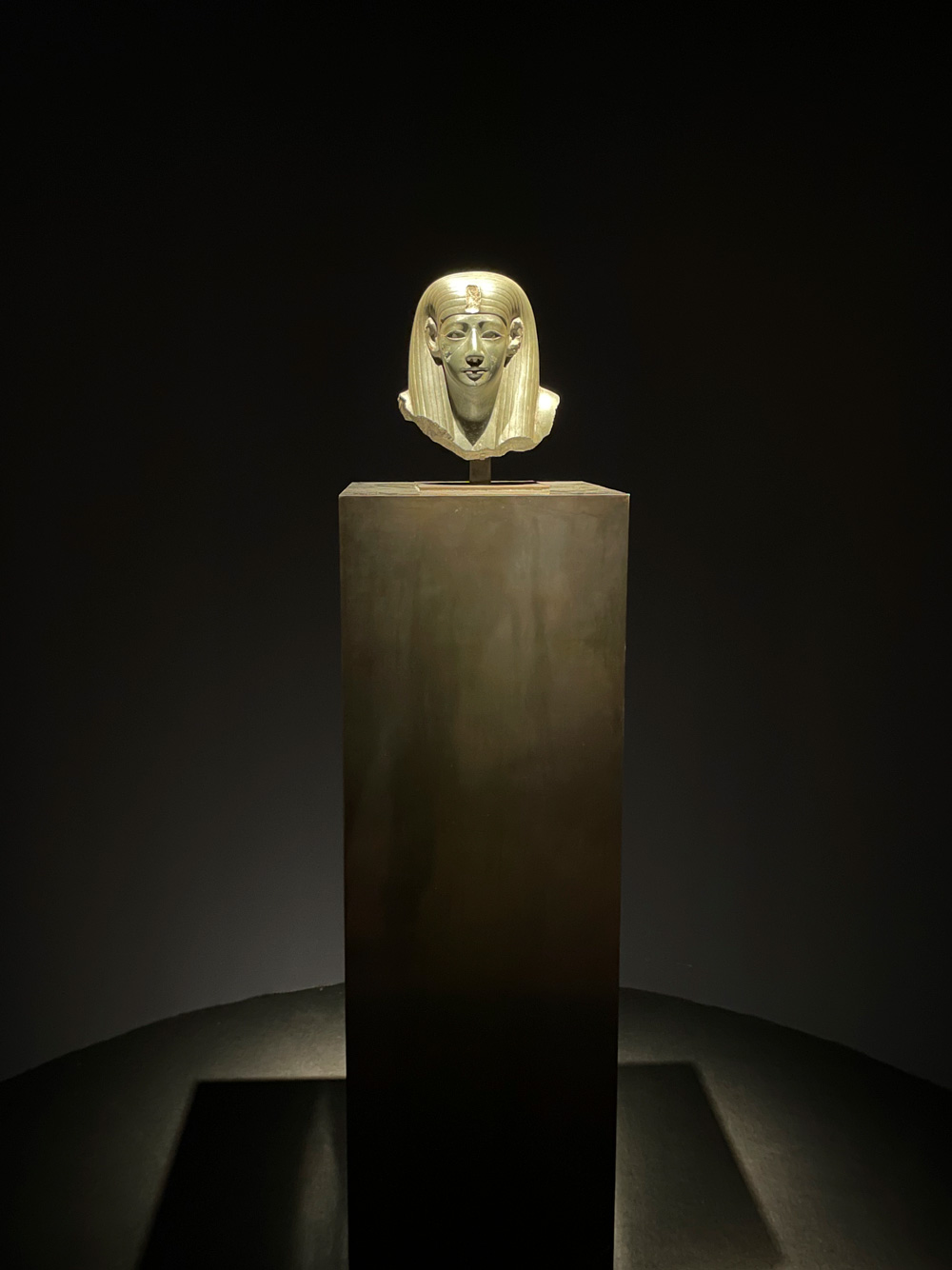
Frieze Masters pushed the question of collecting even further. It increasingly allows objects from radically different periods and classifications to encounter one another. Archaeology, natural history, antiquity, design, Modernism and contemporary practice can suddenly occupy neighbouring commercial and intellectual territory.
The collector is therefore encouraged to think beyond categories.
Why can a Roman fragment sit beside a Modernist sculpture? Why can a fossil enter a collection alongside contemporary art? When does an archaeological object become an aesthetic object? And what changes when something made without artistic intention is displayed under the visual and commercial conditions of an art fair?
These are not simply market questions. They are questions about how context creates value and meaning.
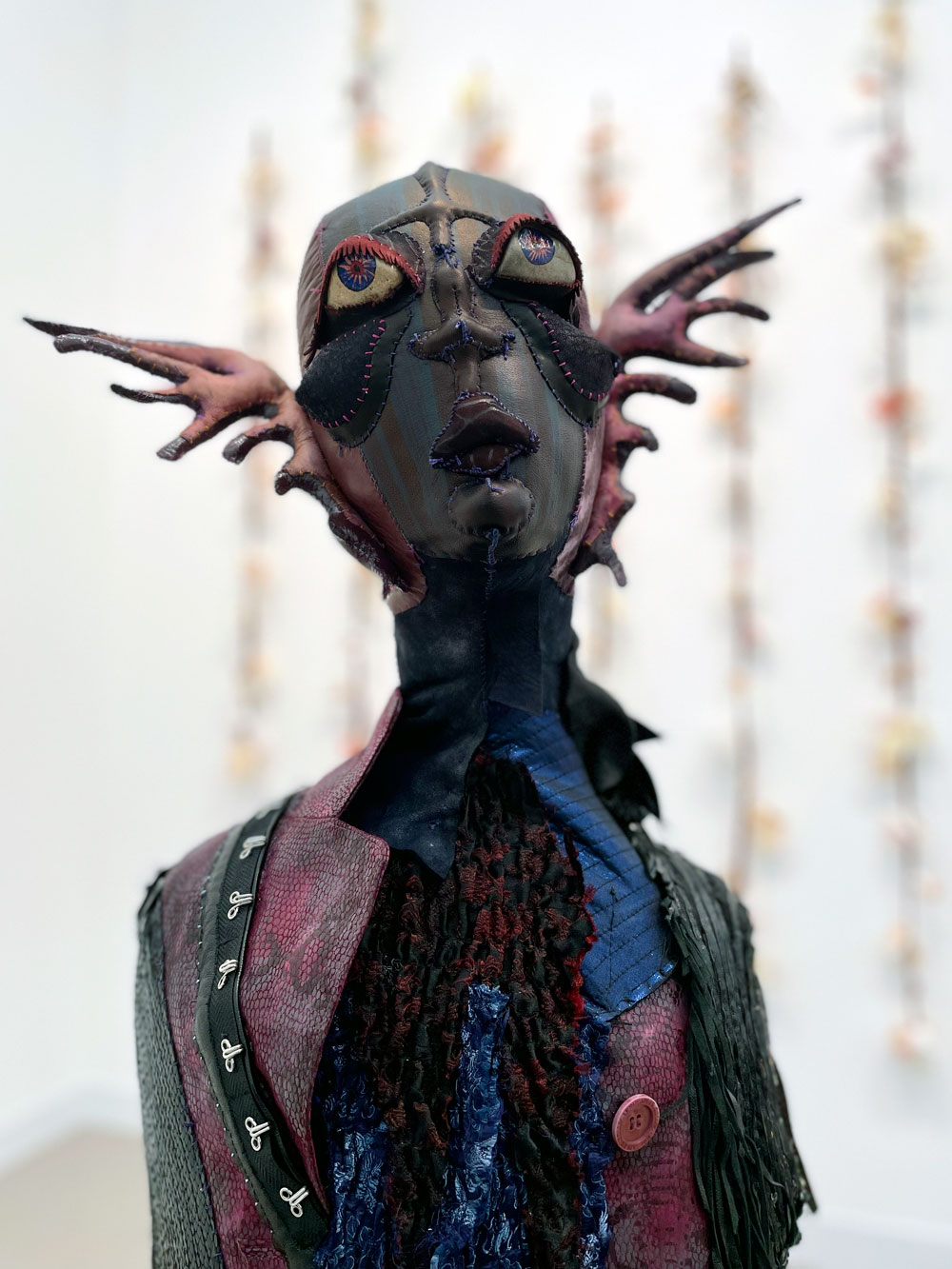
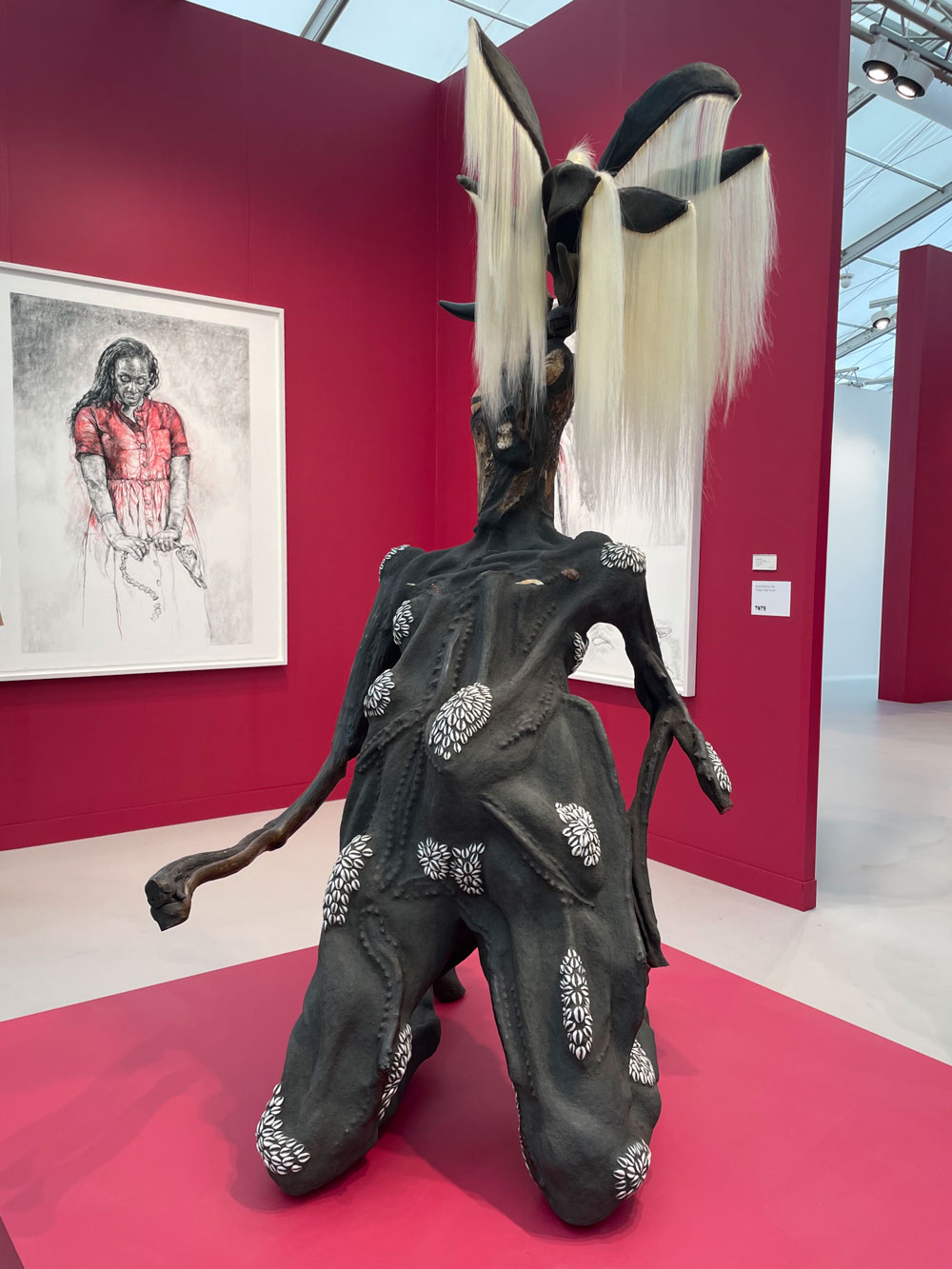
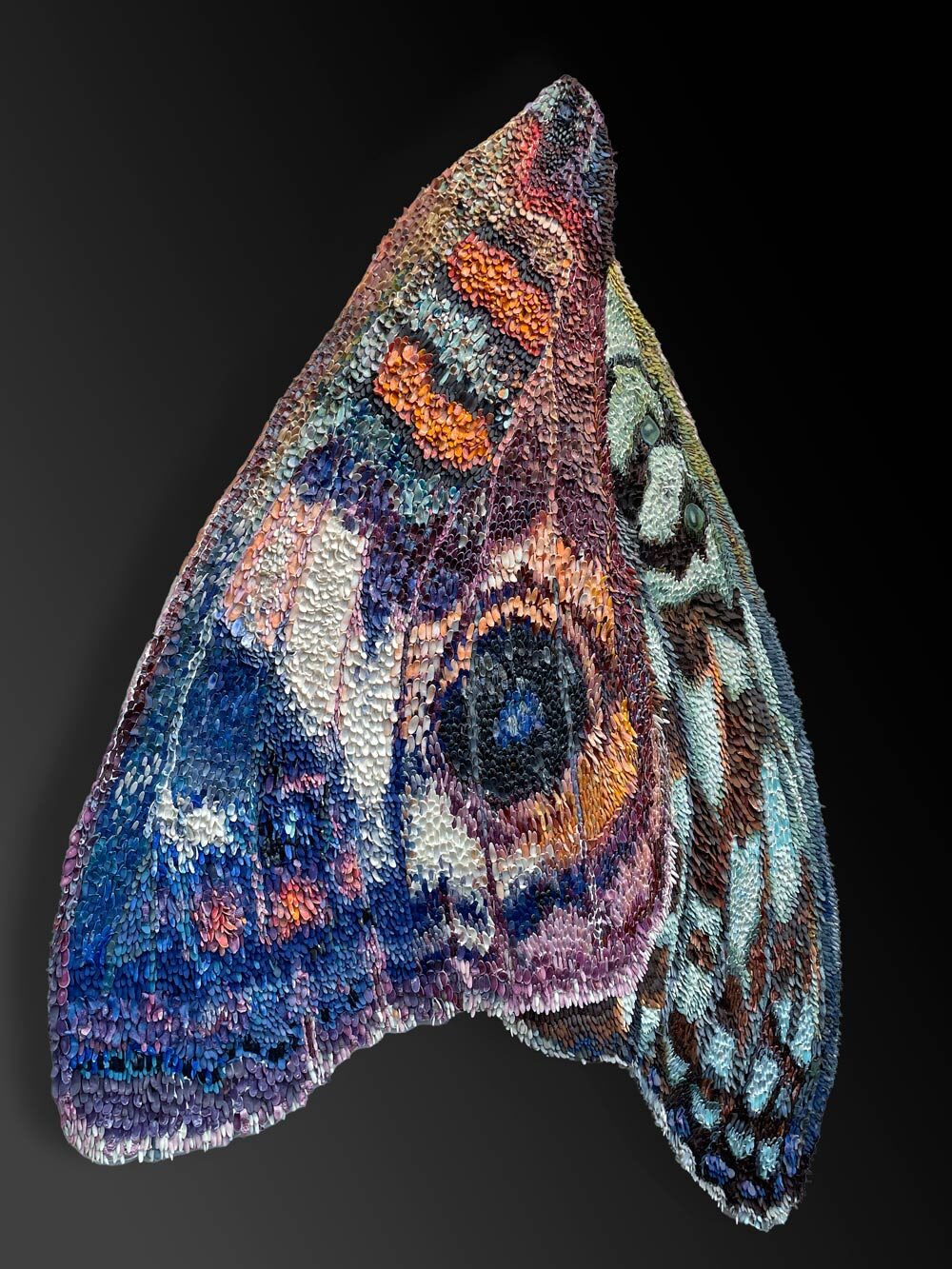
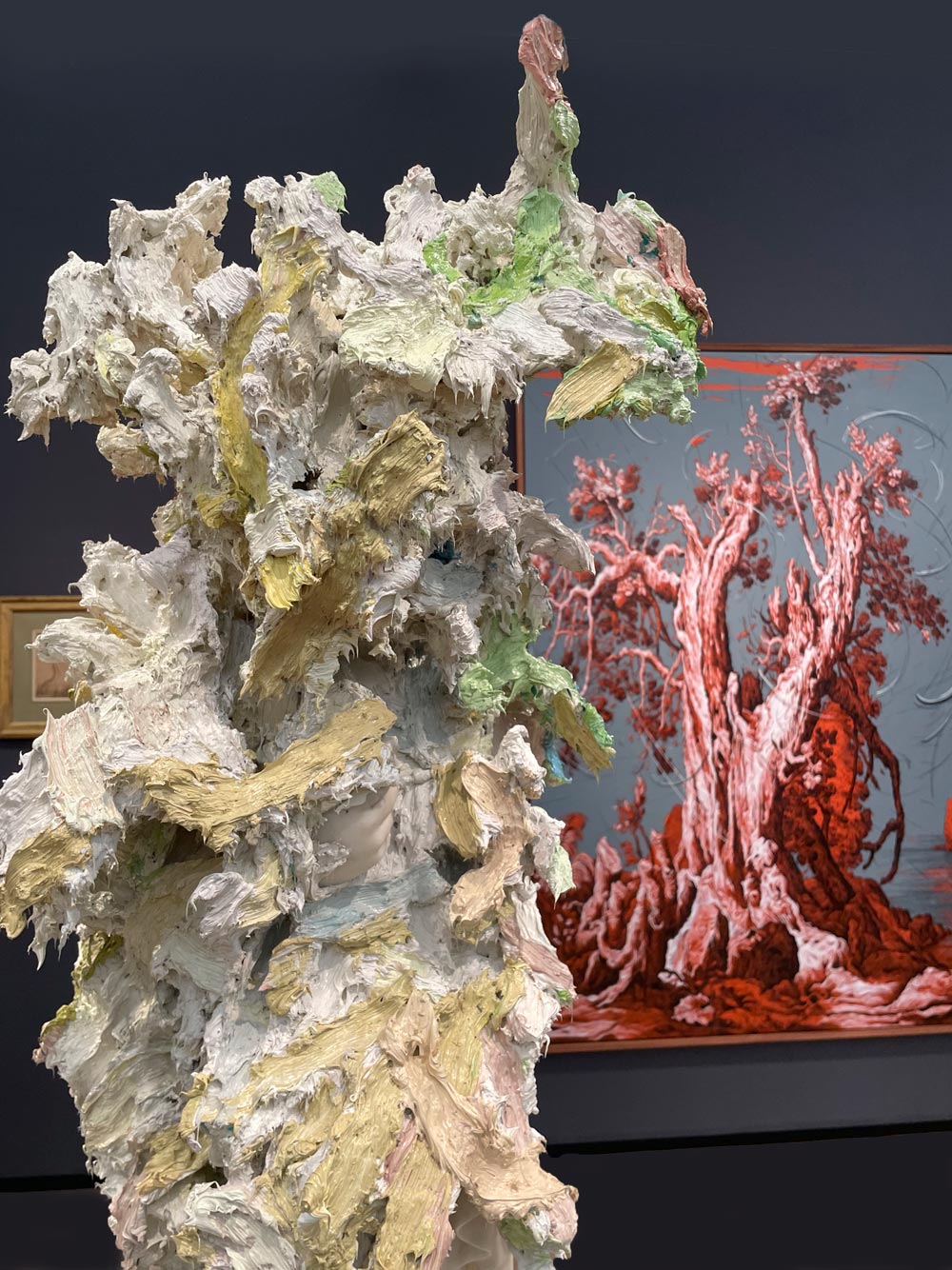
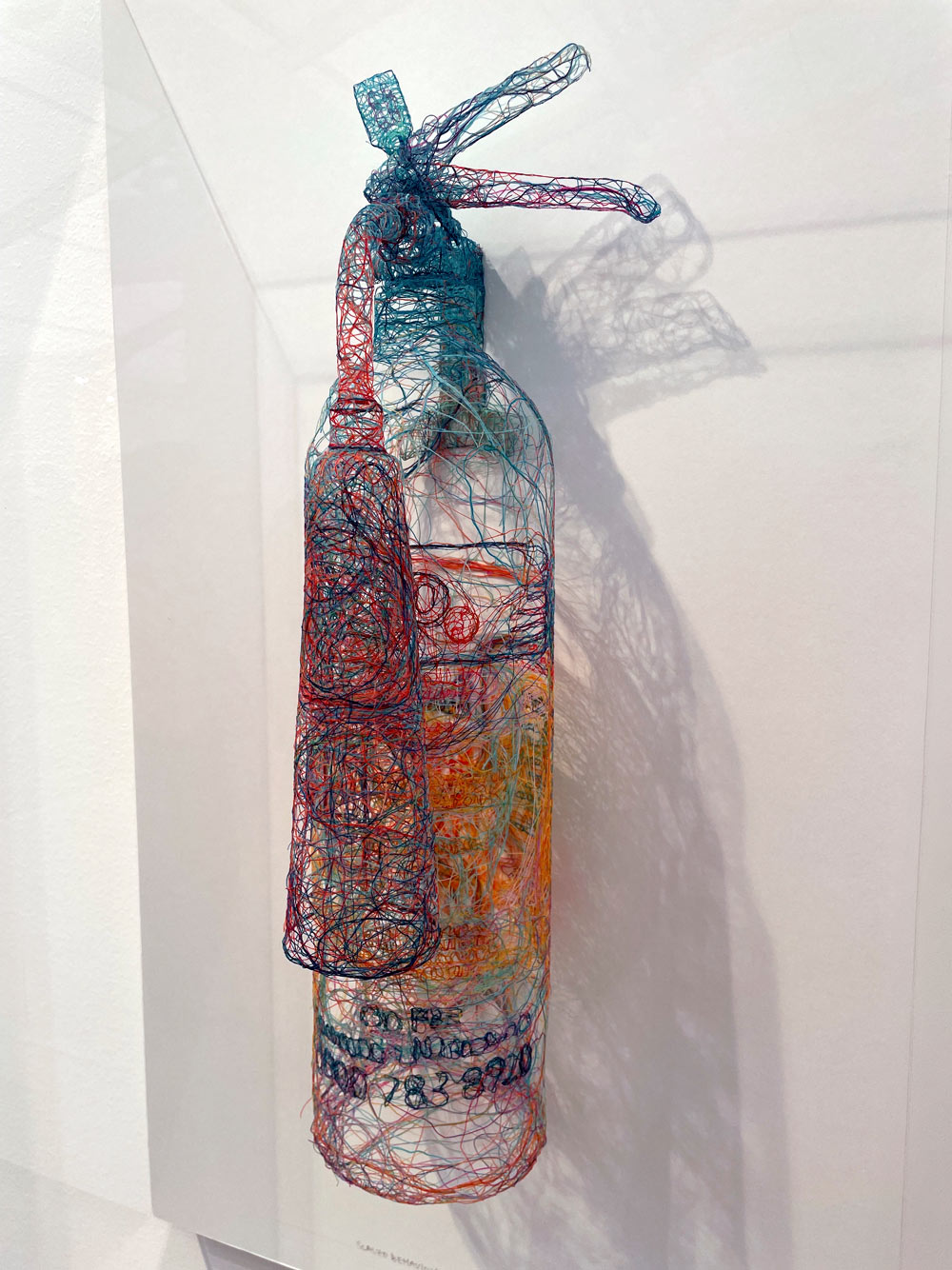
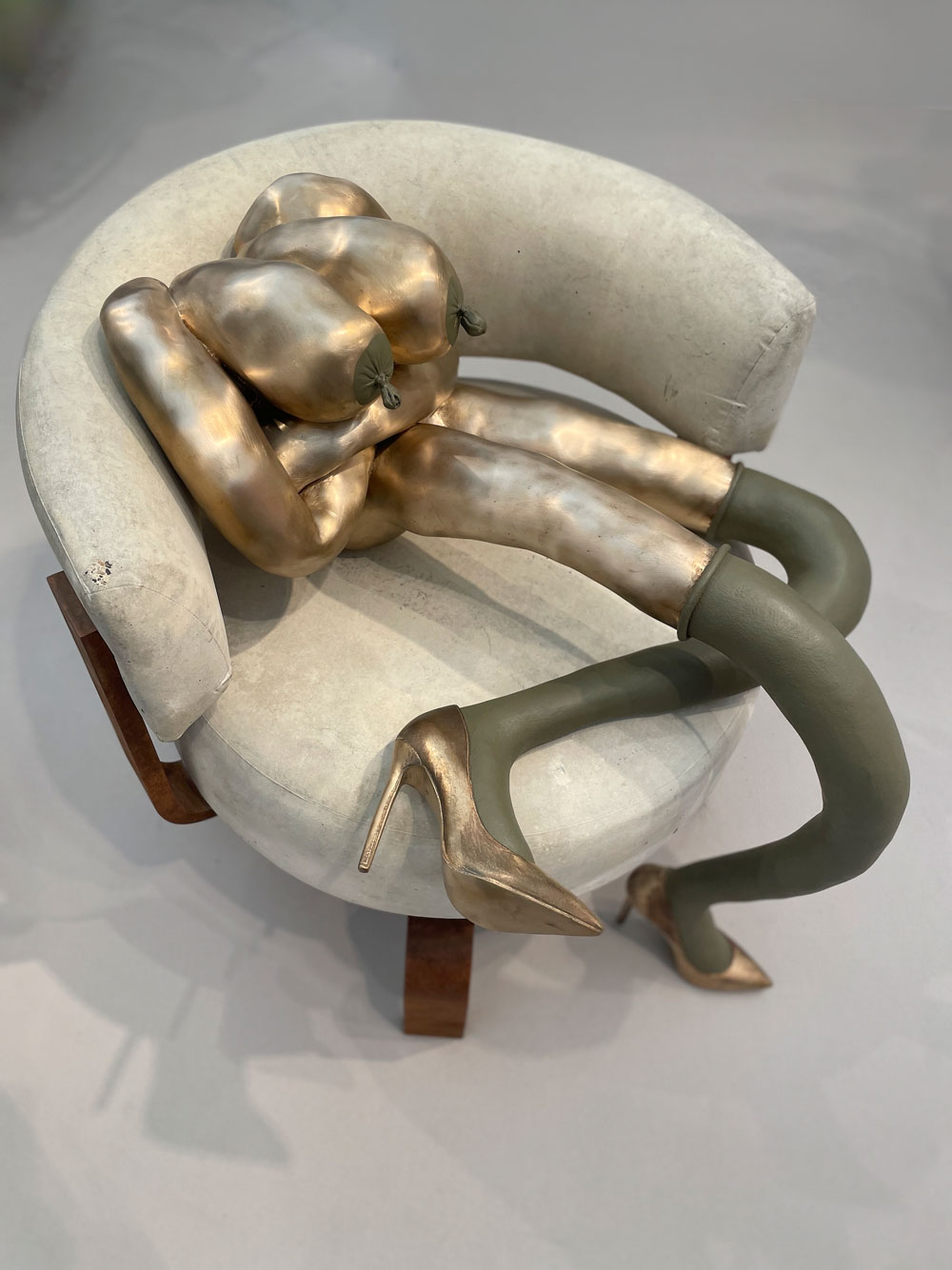
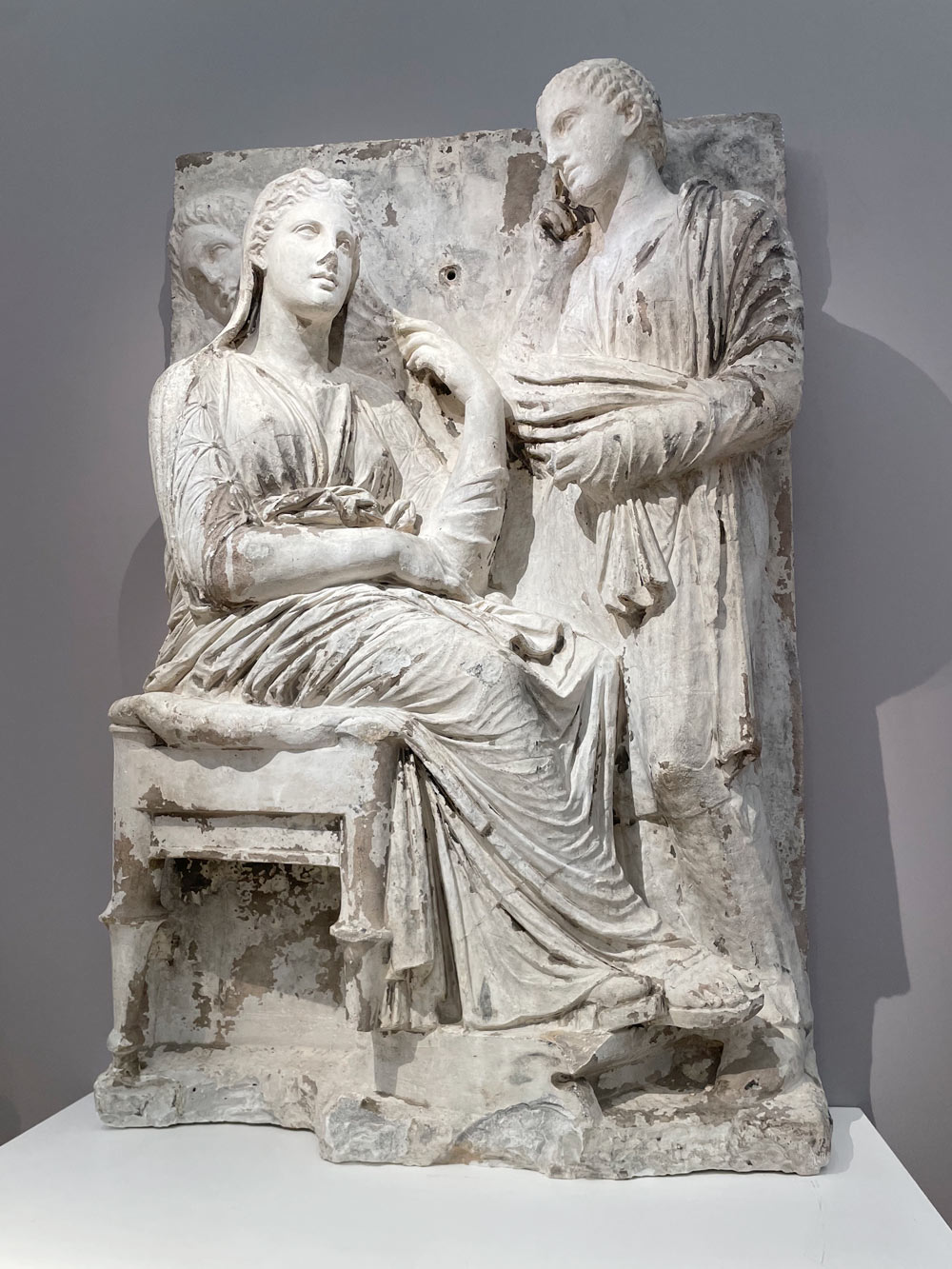
What sells and what struggles? Frieze 2025 ultimately demonstrated that there is no simple formula for a successful sculpture.
Recognisable names continue to provide collectors with confidence. Museum validation matters. Provenance matters. Material and craftsmanship matter. Scale can create desirability but can equally restrict the pool of potential buyers.
And the wider market remains cautious.
Collectors are asking more questions and taking longer to decide. The Artsy research conducted during 2025 found high prices to be a major barrier, while 69% of surveyed collectors said a lack of transparency had caused them to hesitate over a purchase. In such an environment, novelty by itself is unlikely to be enough.
Works made primarily for immediate effect may attract crowds but not necessarily buyers. Highly complicated installations can create practical problems for private collectors. Conversely, smaller sculpture, ceramics, wall-based three-dimensional work and objects capable of functioning within domestic setting can occupy an attractive middle ground: physically distinctive without requiring museum-scale logistics.
Yet Frieze also demonstrated that ambitious sculpture can sell when the work is sufficiently compelling.
Perhaps the most interesting conclusion from Frieze 2025 is therefore not that sculpture is replacing painting but after years in which digital images became increasingly dominant in everyday life, physical art offers something a screen cannot completely deliver: scale, texture, shadow, weight, movement and spatial tension.
Sculpture demands that we share space with it. That distinction may ultimately separate art made for effect from art made to communicate.
Effect says: look at me.
Meaning asks: now that you are looking, what do you see differently?
Frieze London and Frieze Masters 2025 contained plenty of both. That is part of what made the fairs interesting. Between ancient fragments and experimental ceramics, monumental bronzes and conceptual installations, commercial successes and objects that may prove considerably harder to sell, sculpture was doing what it does best. It occupied space.
And, at its most successful, it occupied the mind long after the visitor had walked away.